
Shopify vs WooCommerce for Dropshipping: Which Should You Choose?
- 16 min Read
- Beginner Freindly
- Checked by Chris Stone
If you’re just stepping into the world of dropshipping, chances are you’ve already run into one of the biggest roadblocks beginners face: choosing the wrong platform. I can’t tell you how many messages I’ve received from people who jumped headfirst into their business, only to realize weeks later that the system they picked didn’t fit their needs. Some gave up altogether, not because dropshipping doesn’t work, but because they were stuck wrestling with the wrong tools.
Your choice of eCommerce platform is more than just a technical detail—it’s the foundation of your entire dropshipping business. The right platform can save you time, keep costs under control, and help you scale smoothly. The wrong one can hold you back with frustrating limitations, hidden fees, or unnecessary complexity.
That’s why this decision is so important. Picking between Shopify and WooCommerce isn’t just about which name sounds more familiar—it’s about understanding how each one works and matching it to your goals, skills, and budget. By the end of this article, you’ll have a clear idea of which platform—Shopify or WooCommerce—makes the most sense for your dropshipping journey, so you don’t waste the kind of time and money that I (and so many others) once did.
What is Dropshipping and Why Platform Choice Matters?
Before we dive into comparing Shopify and WooCommerce, let’s take a quick refresher on what dropshipping actually is. At its core, dropshipping is a business model that allows you to sell products online without holding any inventory. Instead of buying stock upfront, you list items in your store, and when someone makes a purchase, the order is sent directly to your supplier. The supplier then ships the product straight to your customer. Your profit comes from the difference between what the customer pays and what the supplier charges.
It sounds simple—and in many ways, it is—but the success of a dropshipping business often comes down to how smoothly your store runs. If your site is slow, difficult to manage, or missing the right integrations, you’ll spend more time dealing with technical headaches than actually growing your business. That’s where choosing the right dropshipping platform makes all the difference.
Shopify is known for being beginner-friendly, offering a streamlined way to set up a store and connect with dropshipping apps like DSers and Zendrop. WooCommerce, on the other hand, is built on WordPress and gives you almost unlimited flexibility when it comes to customization, SEO, and control over your site. Both platforms are popular in the dropshipping world, but they serve different types of entrepreneurs.
Your platform affects everything: the design of your store, how you manage products and orders, the costs you’ll face month after month, and even your ability to attract traffic through search engines. That’s why this isn’t a decision to rush. Whether you lean toward Shopify dropshipping or WooCommerce dropshipping, your choice will shape the way your business grows.
Shopify Overview
If you’re just stepping into the world of dropshipping, chances are you’ve already run into one of the biggest roadblocks beginners face: choosing the wrong platform. I can’t tell you how many messages I’ve received from people who jumped headfirst into their business, only to realize weeks later that the system they picked didn’t fit their needs. Some gave up altogether, not because dropshipping doesn’t work, but because they were stuck wrestling with the wrong tools.
Your choice of eCommerce platform is more than just a technical detail—it’s the foundation of your entire dropshipping business. The right platform can save you time, keep costs under control, and help you scale smoothly. The wrong one can hold you back with frustrating limitations, hidden fees, or unnecessary complexity.
That’s why this decision is so important. Picking between Shopify and WooCommerce isn’t just about which name sounds more familiar—it’s about understanding how each one works and matching it to your goals, skills, and budget. By the end of this article, you’ll have a clear idea of which platform—Shopify or WooCommerce—makes the most sense for your dropshipping journey, so you don’t waste the kind of time and money that I (and so many others) once did.
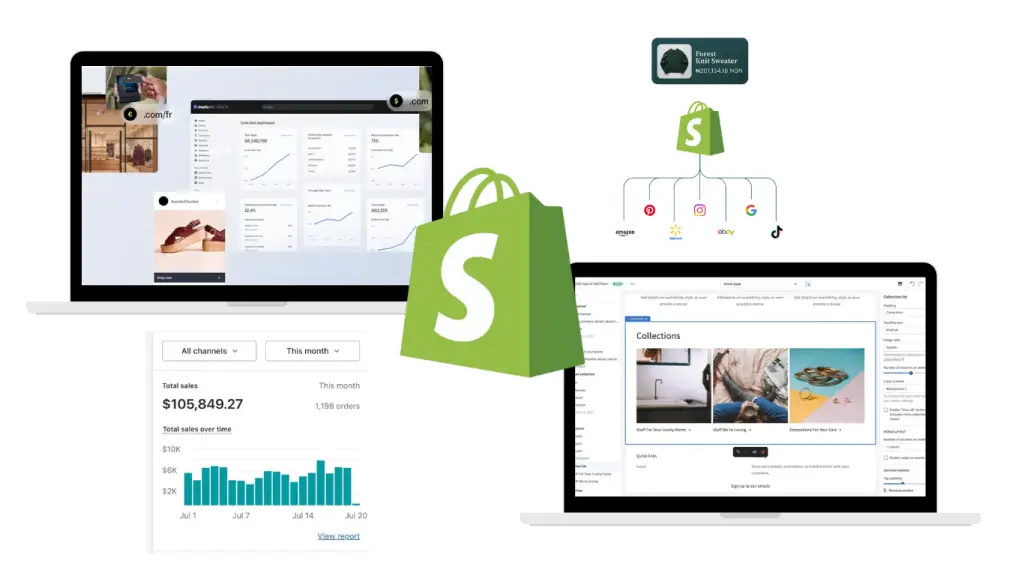
Shopify is often described as the all-in-one solution for eCommerce, and that’s exactly what makes it attractive to beginners. It’s a hosted platform, which means Shopify takes care of all the behind-the-scenes tasks like web hosting, software updates, and security. You don’t have to think about coding, technical configurations, or patching vulnerabilities—the platform handles all of that for you.
The beauty of Shopify is in its simplicity. You can create an account, pick a professional theme, connect it to a dropshipping app like DSers or Zendrop, and have a functioning store ready to go in just a few hours. This beginner-friendly approach has made Shopify the go-to choice for many first-time entrepreneurs who don’t want to waste days trying to figure out how to connect all the moving parts of an online store.
Shopify also shines when it comes to integrations. There’s a massive app marketplace filled with tools designed specifically for dropshippers. Whether you want to automate product imports from AliExpress, connect with local suppliers, upsell customers at checkout, or send out email campaigns, chances are there’s an app that will handle it for you. Most of these integrations are one-click installations, which means you don’t need technical expertise to get them working.
That said, Shopify isn’t perfect. One of the biggest drawbacks is cost. The platform itself starts at $29 per month, but once you begin adding the apps you’ll likely need—such as marketing tools, product review widgets, or advanced upsell features—the monthly bill can climb quickly. Many store owners find themselves spending closer to $50–$150 per month once their store is up and running. Customization is another limitation. Shopify lets you edit themes and make design tweaks, but you’re ultimately working within the framework Shopify provides. If you’re someone who craves complete creative control, you may find this restrictive.
Even with these drawbacks, Shopify’s ease of use and reliability make it a favorite among dropshipping beginners. Instead of worrying about tech issues, you can focus on learning marketing and customer acquisition, which are the real skills that determine success in dropshipping.
WooCommerce Overview
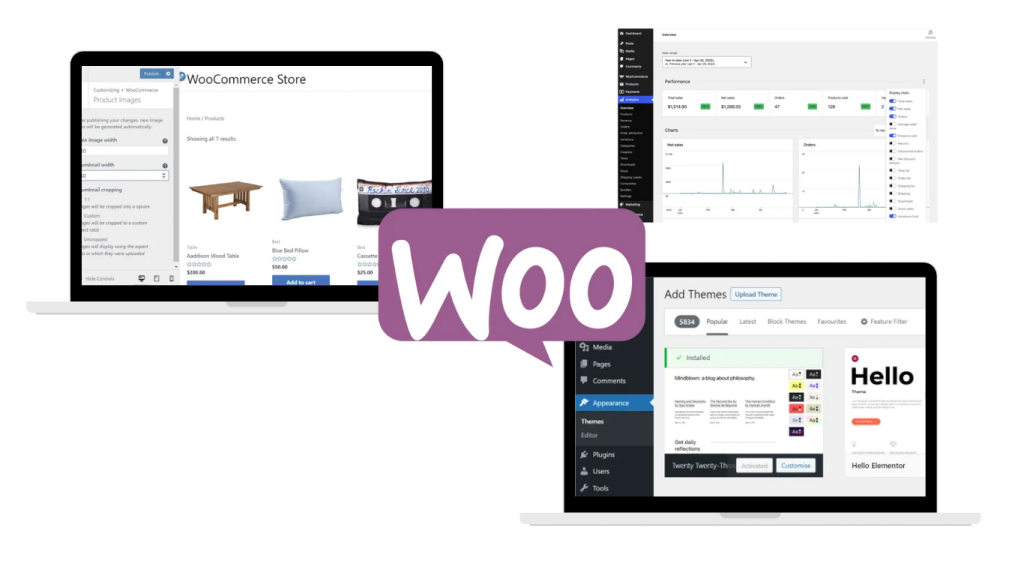
If Shopify feels like a fully furnished apartment you can move into right away, WooCommerce is more like buying an empty lot and building your dream home from the ground up. It gives you full control over your store, but it also places more responsibility on your shoulders.
WooCommerce is not a standalone platform—it’s a plugin for WordPress. This means you first need a WordPress website and hosting plan, and then you can install WooCommerce to turn it into an eCommerce store. Because it’s open-source software, WooCommerce itself is free, but you’ll pay for hosting, domains, and any premium themes or plugins you want to use.
The biggest strength of WooCommerce is flexibility. Since it’s built on WordPress, you can customize practically every aspect of your store. Want a highly specific design? You can build it. Need unique functionality? There’s probably a plugin for it, and if not, you or a developer can code it. For store owners who want total control, WooCommerce is unmatched.
Another major advantage is search engine optimization (SEO). Because WooCommerce runs on WordPress, you can use powerful plugins like Yoast or Rank Math to fine-tune your site for search engines. This makes WooCommerce especially appealing for entrepreneurs who plan to drive organic traffic through blogging and content marketing.
But WooCommerce also comes with its fair share of challenges. Unlike Shopify, which bundles everything together in a neat package, WooCommerce requires you to piece things together. You’ll need to manage hosting, install SSL certificates, keep plugins updated, and troubleshoot issues when they come up. For beginners who aren’t tech-savvy, this can be overwhelming. Costs can also creep up. While WooCommerce starts cheap, premium plugins and higher-quality hosting can add up quickly, especially as your store grows.
In short, WooCommerce is best suited for people who already have some familiarity with WordPress, or for those who are willing to take on the technical side in exchange for complete control over their store.
Shopify vs WooCommerce: A Direct Comparison
Now that you understand the basics of each platform, let’s compare them side by side across the areas that matter most to dropshippers.
Ease of Setup and Use
This is where Shopify takes the lead. Its biggest selling point is that you don’t need any technical knowledge to get started. The process is as simple as creating an account, choosing a theme, and adding products. WooCommerce, by contrast, requires you to purchase hosting, install WordPress, configure settings, and then install WooCommerce. It’s doable, but it takes more time and patience. For absolute beginners, Shopify’s straightforward setup is hard to beat.
Customization and Flexibility
When it comes to flexibility, WooCommerce clearly wins. Since it’s built on WordPress, you can customize your store in almost limitless ways. You’re not bound by platform restrictions, which means you can create a truly unique shopping experience. Shopify does allow customization through themes and its Liquid code, but you’re still working within its framework. If you want to push boundaries, WooCommerce is the better fit.
Dropshipping App Integrations
Both platforms support dropshipping, but Shopify has the edge in terms of ease. Its app store is full of tools built specifically for dropshipping, and they usually integrate seamlessly with just a few clicks. WooCommerce also supports dropshipping plugins like AliDropship and WooDropship, but the setup process is often more technical and less beginner-friendly.
Payment Gateways and Fees
Shopify supports over a hundred payment gateways, but unless you use Shopify Payments, you’ll be charged additional transaction fees. WooCommerce also supports a wide range of gateways, but it doesn’t add extra platform fees. This makes WooCommerce more appealing if minimizing costs is a priority.
Scalability and Performance
Shopify is built to scale effortlessly. If your store grows from 10 sales a day to 1,000, the platform can handle it, and you simply upgrade your plan. With WooCommerce, scaling depends heavily on your hosting provider. Cheap hosting will eventually slow your site down, and you’ll need to invest in better infrastructure as traffic increases. Shopify is more reliable for growth, especially if you don’t want to manage servers.
SEO and Marketing Tools
WooCommerce shines here. Because it’s part of WordPress, you can take advantage of advanced SEO plugins that give you precise control over how your site appears in search engines. Shopify has built-in SEO features, but they’re not as comprehensive. If your long-term strategy involves blogging and ranking in Google, WooCommerce has a clear advantage.
Customer Support
Shopify offers 24/7 support via live chat, email, and phone. This is a lifesaver for beginners who will inevitably run into issues. WooCommerce, being open-source, doesn’t have a dedicated support team. Instead, you rely on community forums, documentation, and your hosting provider. If support is important to you, Shopify has the upper hand.
Security
Security is another area where Shopify wins for beginners. The platform automatically handles SSL certificates, PCI compliance, and software updates. WooCommerce leaves those responsibilities to you, meaning you’ll need to stay on top of updates and rely on your hosting provider for security features.
Ready to Start Your Dropshipping Journey?
Learning how to start dropshipping with no money is just the first step. If you want a clear roadmap with proven strategies, I’ve put together a Free 4-Day Dropshipping Training that will show you exactly how to:
Pick winning products that actually sell
Set up a store without wasting time or money
Drive free traffic to your store and start making sales
Take your first step toward building a profitable online business today! No email require!
Cost Breakdown: Shopify vs WooCommerce
Money matters, and this is where many beginners make the wrong assumptions.
Shopify has a clear pricing structure. The Basic plan starts at $29 per month, with more advanced plans costing up to $299 per month. On top of that, you’ll likely pay for apps, which can add another $10–$50 per month. Themes can be free or up to a few hundred dollars. In total, most dropshipping stores on Shopify end up spending between $50 and $150 monthly.
WooCommerce, on the other hand, is technically free, but there are still costs involved. You’ll need to pay for hosting (usually $4–$17 per month for decent performance), a domain name (around $12 per year), and possibly premium themes or plugins. While it can start cheaper than Shopify, costs can climb as you add more functionality or invest in higher-quality hosting to support a growing store.
The key difference is predictability. Shopify’s costs are higher but more straightforward. WooCommerce’s costs vary depending on your choices, and while it can be cheaper, it requires more careful planning.
Real-Life Scenarios: Which Should You Choose?
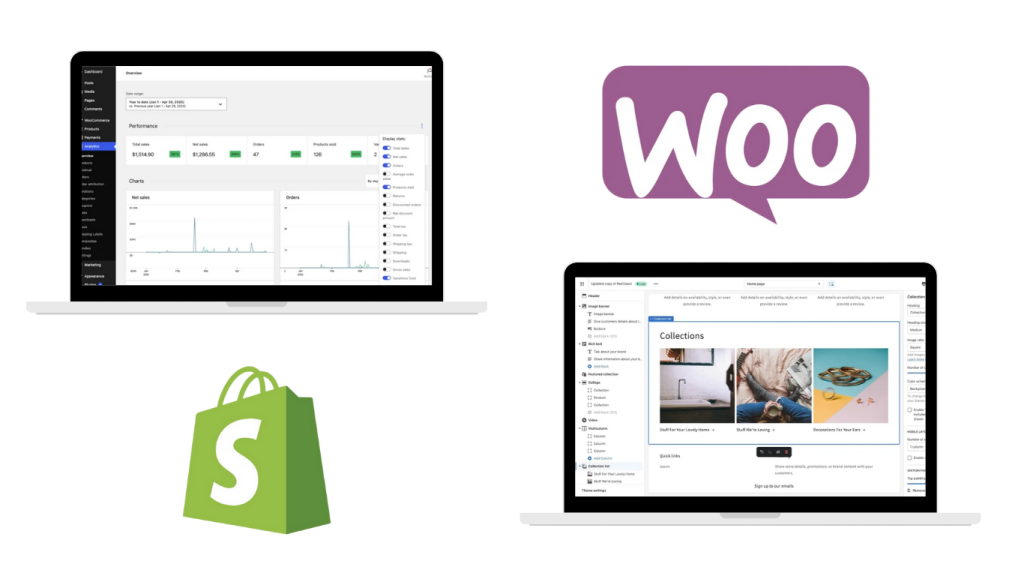
Here’s the easiest way to think about it. If you’re a beginner with little to no technical experience, Shopify is the safer choice. You’ll pay more each month, but the platform saves you hours of headaches and lets you focus on marketing and sales instead of troubleshooting your site.
If you already have a WordPress website or you’re comfortable with managing hosting and plugins, WooCommerce may be a better fit. It gives you full control, better SEO capabilities, and the flexibility to build your store exactly the way you want it.
For entrepreneurs planning to scale to six or seven figures, Shopify often becomes the go-to platform simply because of its reliability and ability to handle growth with minimal intervention. WooCommerce can scale too, but it usually requires more technical expertise and higher hosting costs as traffic increases.
Common Mistakes Beginners Make
One of the most common mistakes I see is beginners jumping into WooCommerce because it’s free, without realizing the technical responsibilities that come with it. They quickly find themselves overwhelmed by updates, hosting issues, and plugin conflicts, and end up abandoning their store altogether.
On the other side, many beginners choose Shopify without considering the long-term costs. While $29 per month sounds manageable at first, once you add essential apps, the monthly bill can feel heavy if you’re not making consistent sales yet.
The biggest mistake of all, though, is not thinking about where you want your business to be in a year. Are you just testing the waters, or do you want to build a long-term brand? Your answer should guide your choice.
Final Verdict: Shopify vs WooCommerce for Dropshipping
So, which should you choose? The answer depends on your skills, goals, and budget. If you want something beginner-friendly that lets you focus on growing your business instead of managing tech issues, Shopify is hands-down the better option. It costs more, but it’s worth it for the simplicity and support.
If you value flexibility, already know your way around WordPress, or want more control over costs, WooCommerce is the smarter choice. It gives you the freedom to customize every aspect of your store and can be more affordable in the long run if you manage it well.
Both platforms can work for dropshipping, and both have helped countless entrepreneurs succeed. The key is picking the one that matches your strengths and goals, not just following what others recommend.
Starting a dropshipping business is exciting, but it also comes with a steep learning curve. Don’t make things harder by choosing the wrong foundation. Shopify and WooCommerce are both excellent platforms, but they’re designed for different types of entrepreneurs.
If you want plug-and-play simplicity with reliable support, Shopify will get you up and running faster than anything else. If you want total control, advanced SEO capabilities, and the ability to fine-tune every detail, WooCommerce is the better path.
Whichever option you choose, commit to it and focus on what really matters: finding winning products, building trust with your customers, and mastering marketing. Those are the skills that will carry you to success in dropshipping—your platform is just the vehicle that gets you there.