
Key Tips for Starting Dropshipping for Beginners (2025 Guide)
- 8 Min Read
- Beginner Level
- Fact Checked by Chris Stone
If you’ve ever dreamed about making money online but don’t know where to start, dropshipping might just be your perfect first step. It’s one of the easiest online business models for beginners — low startup costs, no need to hold inventory, and the flexibility to work from anywhere.
But while it sounds simple, success doesn’t come from just opening a Shopify store and waiting for sales to roll in. There’s strategy behind every winning dropshipping business — from choosing the right niche to creating viral product videos and building trust with your audience.
So, if you’re a beginner ready to start your dropshipping journey, let’s walk through some key tips that will help you start strong and avoid the mistakes most beginners make. Think of this as friendly advice from someone who’s been where you are right now — confused, excited, and ready to take action.

1. Understand What Dropshipping Really Is
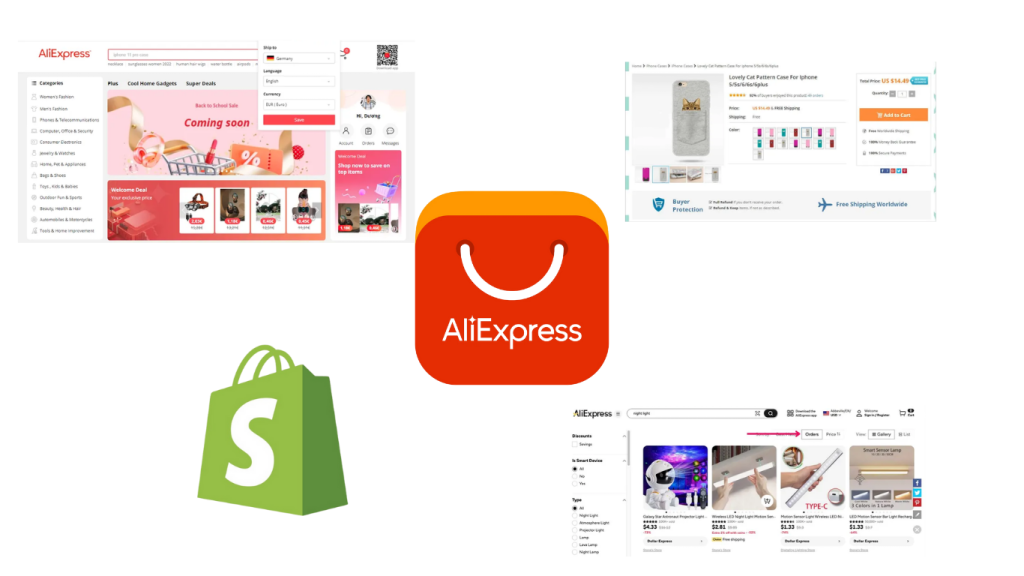
Before diving in, it’s important to understand what dropshipping actually means. Dropshipping is a business model where you sell products online without holding any inventory. When a customer places an order, you purchase the item from a third-party supplier (like on Zendrop, AliExpress, or Spocket), and they ship it directly to your customer.
Your job? Building your online store, choosing great products, handling marketing, and giving your customers a great experience.
This setup removes a lot of the traditional risks of starting a business — you don’t have to buy stock upfront, rent storage, or deal with packaging. But that doesn’t mean it’s “easy money.” Dropshipping is a real business — and just like any business, it takes time, learning, and smart decisions to make it profitable.
2. Choose a Niche That You Actually Understand
Here’s one of the most important (and overlooked) parts: choosing the right niche.
Your niche determines everything — from the products you sell to the type of customers you attract and even how much you’ll spend on marketing.
When picking a niche, don’t just chase what’s trending for the moment. Choose something you can understand or care about. That doesn’t mean it needs to be your lifelong passion, but if you can understand what problems people in that niche face, it’s much easier to sell to them.
Ask yourself:
Does this niche have repeat buyers?
Are the products visually appealing or easy to advertise?
Is there a problem my product can solve?
Are people already buying these types of items online?
Examples of profitable niches in 2025 include:
Beauty & self-care (like face masks, skincare tools)
Home organization & small space solutions
Pet supplies (especially smart pet accessories)
Fitness & wellness products
Tech accessories (like portable gadgets or chargers)
Choosing the right niche means you’re not trying to sell “everything to everyone.” You’re focusing your energy on a specific audience — and that’s how you actually make sales.
🚀 Ready to make money online? Watch this 100% free dropshipping course today and take the first step toward building your online business. No sign-up, no catch — just pure value.
3. Find Reliable Suppliers
A successful dropshipping business depends heavily on your suppliers. A bad supplier can ruin your store’s reputation overnight — slow shipping times, poor-quality products, or missed orders can cost you customers fast.
That’s why finding trusted suppliers is a must. You can use dropshipping platforms like:
Zendrop – great for U.S. and global shipping with custom branding options.
Spocket – focuses on suppliers from the U.S. and EU for faster delivery.
AliExpress – offers a wide variety of products, but check reviews carefully.
Tip: Order samples before listing a product. You’ll get to see the quality, packaging, and delivery time yourself. Plus, you can use those samples to create your own product photos or videos later.
4. Build a Clean, Professional Store
Think of your store like your online home. If it looks messy, confusing, or untrustworthy, people will leave — no matter how good your product is.
Platforms like Shopify make it incredibly easy to design your store, even if you’ve never built a website before. Choose a clean theme, add clear product photos, and write simple, benefit-focused product descriptions.
Don’t overcomplicate it. As a beginner, focus on building a one-product store or a small niche store with a few related products. These usually convert better than general stores with hundreds of random items.
Pro tip: Add trust badges, shipping information, and a few customer reviews (once you start getting sales). People want to feel safe when buying from a new store.
5. Learn How to Market (It’s the Secret Sauce)
Here’s a truth most beginners don’t realize: Marketing is 80% of dropshipping success.
You can have the best-looking store and amazing products, but if no one sees it, you won’t make a dime.
That’s why learning how to market your store is essential. Focus on platforms where your ideal customers hang out. In 2025, TikTok, Instagram Reels, and Pinterest are the best for dropshipping because they’re visual and have massive organic reach.
You don’t need a big budget to start. Instead, focus on creating UGC-style (User Generated Content) videos — short clips that feel real, relatable, and not overly “salesy.”
Example video ideas:
“Unboxing this cute product I found online 😍”
“I didn’t expect this to actually work…”
“This gadget made my life so much easier!”
These types of videos often go viral because they feel authentic, not like an ad. Once you find what works, you can start testing paid ads on TikTok, Meta, or Pinterest to scale your results.
6. Focus on Solving a Problem (Not Just Selling a Product)
One of the biggest beginner mistakes is trying to sell “cool” or “trendy” items that don’t actually solve a problem. People don’t buy products — they buy solutions or feelings.
Ask yourself:
“What pain, inconvenience, or desire does this product solve?”
For example:
A LED makeup mirror doesn’t just light up — it helps people get flawless makeup results.
A pet grooming brush doesn’t just remove fur — it helps pet owners save time and keep their homes cleaner.
When you focus your marketing around the benefit, not just the product, your content connects emotionally with your audience — and that’s what drives conversions.
7. Keep Your Prices Simple and Profitable
Pricing can be tricky when you’re new, but here’s a simple rule:
Sell products that give you at least a 2x to 3x profit margin after shipping and advertising costs.
For example, if your product costs you $10 from the supplier, try to sell it for $29.99 or $34.99.
Don’t try to compete on price alone — that’s a race to the bottom. Instead, build value around your product through:
Professional photos
Clear benefits in your description
Great customer service
Fast shipping times
People will pay more if they trust your brand and see real value.
8. Create a Strong Brand (Even If You’re Just Starting)
You don’t need a huge budget to create a brand — just consistency and intention.
Start by choosing a store name and logo that reflect your niche. Use consistent colors and fonts throughout your website and social media.
Branding is what makes your store memorable. Anyone can sell a product, but branding turns your store into a trusted brand people remember.
For example, instead of naming your store something generic like “BestDeals247,” choose something like “GlowHaven” for beauty products or “PawsyHome” for pet items. See the difference? One sounds like a brand; the other sounds like a random store.
9. Take Customer Service Seriously
Even though you’re not physically shipping the items yourself, you’re still the face of your business. Customers will come to you with questions, refunds, or tracking issues — and how you handle that will define your reputation.
Respond quickly, stay polite, and go the extra mile to help.
If a customer feels valued, they’re far more likely to return or leave a positive review — and word-of-mouth marketing is priceless.
You can even automate some of this by using Shopify apps for tracking updates and FAQs.
10. Be Patient and Keep Learning
Dropshipping isn’t a “get rich quick” scheme. It’s a real business that requires consistency. Some products will fail, ads might not perform, and you’ll make mistakes. That’s all part of the learning curve.
The key is to analyze, adjust, and keep going. Watch what works, learn from others in the industry, and stay updated with the latest trends.
Remember, every successful dropshipper started as a beginner — but the difference between those who quit and those who succeed is persistence.
🚀 Ready to turn your dropshipping dream into a real business?
Join the complete step-by-step course that teaches you exactly how to build, launch, and scale a profitable online store — even if you’re brand new.
11. Tools That Make Dropshipping Easier
If you want to save time and scale faster, use automation tools. They help you manage everything from product importing to order fulfillment.
Here are some must-have tools for beginners:
Zendrop – Automates fulfillment and offers fast U.S. shipping.
Shopify – The most beginner-friendly eCommerce platform.
Canva – For creating eye-catching ads and product images.
TikTok Ads Manager – For testing viral video ads.
Clarity by Shopify or Google Analytics – To track performance and see what’s working.
Automation saves you hours and helps you focus on the important stuff — marketing and scaling.
Final Thoughts: Start Small, But Think Big
Starting dropshipping can feel overwhelming, but remember — every big store you see online started with a single product and a simple idea.
You don’t need to have it all figured out today. Start small, take one step at a time, and learn as you go.
You’ll make mistakes, but that’s how you’ll grow. Focus on delivering value, creating a great experience for your customers, and improving every single week.
Dropshipping isn’t about luck — it’s about consistency. Once you learn how to find good products, build trust, and market effectively, you can create a business that gives you freedom, flexibility, and income on your terms.
So don’t overthink it — just start. The best time to start your dropshipping journey is now.