
How to Start Dropshipping With No Money (Beginner’s Step-by-Step Guide)
- 13 min Read
- Beginner Freindly
- Checked by Chris Stone
Have you ever wanted to start an online business but felt stuck because you didn’t have money to invest? You’re not alone. One of the biggest reasons people never start is because they believe they need thousands of dollars upfront.
Here’s the truth: you don’t need money to start dropshipping.
Dropshipping is one of the few online business models that allows complete beginners to start with $0 upfront, no inventory, no warehouse, and no shipping responsibilities.
In this beginner-friendly guide, you’ll learn exactly how to start dropshipping with no money, using free tools, free suppliers, and free marketing strategies. No complicated jargon. No unrealistic promises. Just a clear, step-by-step roadmap you can follow today.
Whether you’re a student, working a 9–5, or simply looking for a side income, this guide will show you how to get started the smart way.

Key Takeaways (Quick Overview)
- Dropshipping requires no upfront inventory
- You only pay suppliers after you make a sale
- You can find free dropshipping suppliers with no monthly fees
- Free platforms like TikTok, Pinterest, and Google can drive traffic
- Beginners can realistically start with $0 and scale later
What Is Dropshipping and Why It Works Without Upfront Money
Dropshipping is an eCommerce business model where you sell products online without holding inventory.
Instead of buying products in bulk, storing them, and shipping orders yourself, the process works like this:
You list a product on your online store
A customer places an order and pays you
You forward the order to your supplier
The supplier ships the product directly to the customer
You keep the profit difference
That’s it.
Why Dropshipping Works With No Money
Traditional businesses require:
Inventory purchases
Warehouses
Packaging
Shipping contracts
Dropshipping removes all of that.
You don’t buy anything until someone has already paid you. This makes it one of the lowest-risk online business models available today.
Benefits of Dropshipping for Beginners
No upfront inventory costs
No need for storage or fulfillment
Low financial risk
Can be run from anywhere
Scales easily once profitable
This is exactly why dropshipping is so popular among beginners.
Step 1: Choose a Profitable Niche (This Step Matters More Than Anything)
Before you build a store or add products, you need to decide what you’re going to sell.
This is called your niche — a specific group of products aimed at a specific audience.
Choosing the right niche can make your dropshipping business easier, cheaper, and more profitable.
What Makes a Good Dropshipping Niche?
A winning niche usually has:
A clear problem or desire
People actively searching for solutions
Products that can be sold year-round
Buyers willing to spend money
Beginner-Friendly Evergreen Niches
These niches consistently perform well in dropshipping:
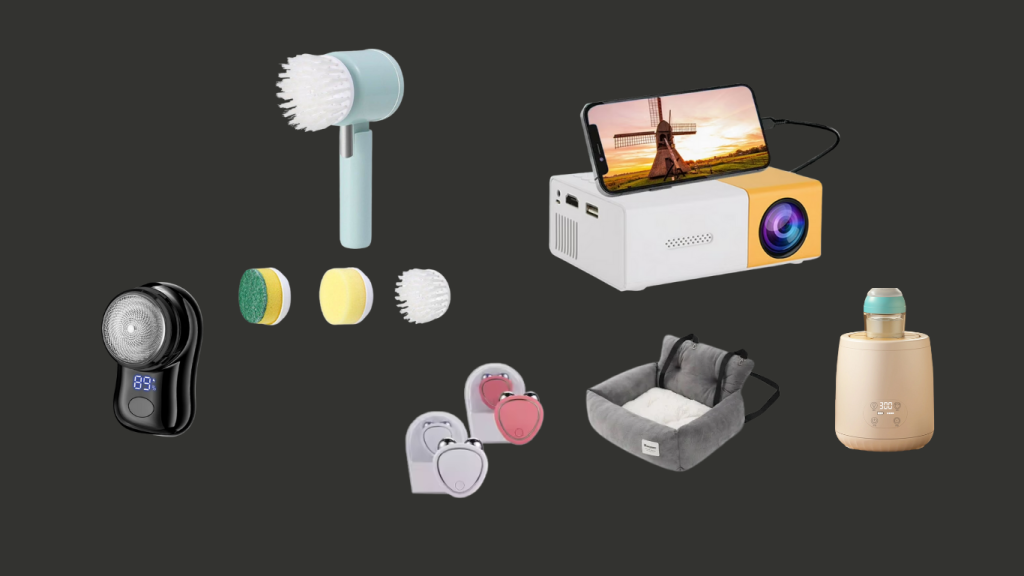
Beauty & skincare
Pet products
Home organization & décor
Fitness & wellness
Tech accessories
Self-care & lifestyle products
Eco-friendly products
Evergreen niches are ideal because demand doesn’t disappear after a trend ends.
How to Find a Niche Using Free Tools
You don’t need paid software to research niches. Use these 100% free tools:
1. Google Trends
Search your niche idea and check:
Is interest stable or growing?
Is it seasonal or year-round?
2. TikTok
Type keywords like:
“TikTok made me buy this”
“Amazon finds”
“[niche] must haves”
If you see products going viral repeatedly, that’s a good sign.
3. Pinterest
Pinterest is a visual search engine.
Search niche keywords
Look for high pin counts and engagement
Check if people are saving product pins
Important Tip: Don’t Go Too Broad
Avoid niches like:
“Clothing”
“Fitness”
“Beauty”
Instead, narrow down:
“Athleisure wear for women”
“Yoga accessories for beginners”
“Minimalist home organization”
Specific niches convert better and are easier to market for free.
🚀 Ready to make money online? Watch this 100% free dropshipping course today and take the first step toward building your online business. — just pure value.
Step 2: Find Reliable Free Dropshipping Suppliers
Once you choose your niche, the next step is finding suppliers who allow you to dropship without paying upfront.
Thankfully, many platforms offer free plans perfect for beginners.
Best Free Dropshipping Suppliers for Beginners
AliExpress
Completely free
Massive product selection
Beginner-friendly
Ideal for testing products
CJdropshipping
Free to use
Faster shipping than AliExpress
Better branding options
US and global warehouses available
Zendrop (Free Plan)
Clean dashboard
Easy Shopify integration
Beginner-friendly automation
Option to upgrade later
What to Look for in a Good Supplier
Before choosing products, always check:
Product ratings (4+ stars)
Order volume
Customer reviews with photos
Estimated shipping times
Return/refund policies
Reliable suppliers reduce refunds, complaints, and stress.
Step 3: Set Up Your Free Store
One of the biggest myths about starting an online business is that you need to spend money on a website before you can even begin. That’s simply not true.
When you’re learning how to start dropshipping with no money, your goal isn’t perfection — it’s testing and validating your idea. That’s why using free or trial-based platforms is the smartest move.
You can build a fully functional dropshipping store, add products, and even start getting sales before spending a single dollar.
Shopify Free Trial (Best Option for Beginners)
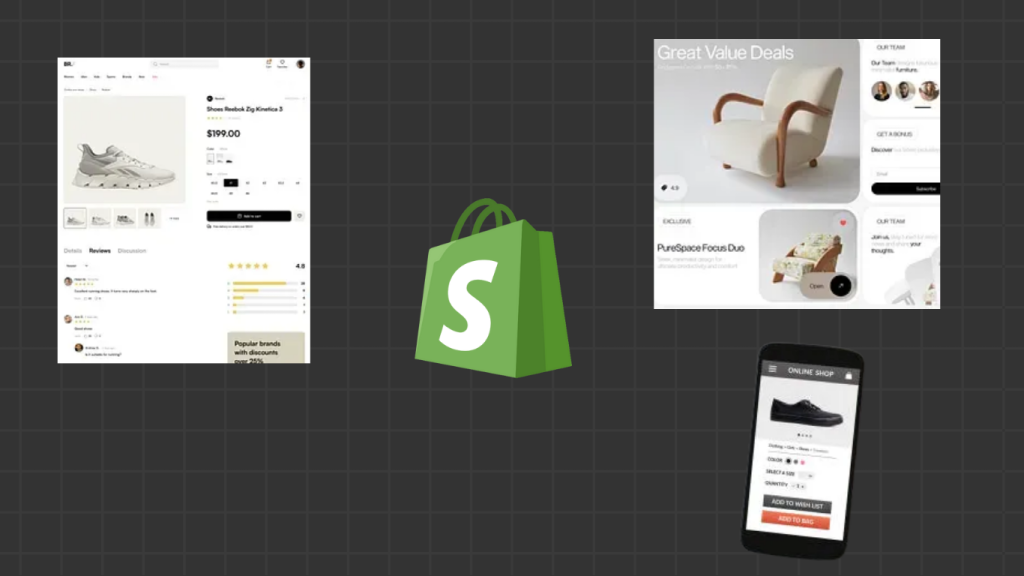
Shopify offers a 14–30 day free trial (depending on promotions), which gives you full access to everything you need to build and test your dropshipping store.
This is why Shopify is ideal when starting with no money:
No credit card required to start (in most cases)
Easy drag-and-drop store builder
Built specifically for eCommerce
Seamless integration with dropshipping suppliers
Secure checkout and payment processing
What You Can Do During the Shopify Free Trial
During the free trial, you can:
Build your entire online store
Add and edit products
Customize your design and branding
Set prices and product descriptions
Connect dropshipping suppliers
Test checkout and payment settings
Start marketing your store
In other words, you can set everything up before deciding to pay anything.
This allows you to:
Validate product demand
See if people are clicking and engaging
Learn how the platform works
Avoid wasting money upfront
If you don’t like it or don’t get results, you can simply cancel — no risk involved.
Why Shopify Is Better Than Most Free Website Builders
While there are completely free website builders available, Shopify is designed specifically for online selling, which makes a huge difference.
Shopify automatically handles:
Secure payments
Mobile optimization
Checkout flow
Order tracking
Customer emails
Taxes and shipping settings
For beginners, this removes a lot of technical confusion and lets you focus on what actually matters: products and marketing.
What Your Dropshipping Store Actually Needs (Keep It Simple)
A common beginner mistake is trying to make their store look “perfect” before launching. The truth is, your store does not need to be fancy or complicated to make sales.
It needs to be clear, trustworthy, and easy to use.
Here’s exactly what your store should focus on.
1. Clean, Simple Layout
Your store should be easy to understand within the first 5 seconds.
Visitors should immediately know:
What you sell
Who it’s for
How to buy
Avoid clutter, pop-ups everywhere, or overly flashy designs. Simple stores convert better, especially for beginners.
2. Mobile-Friendly Design (Non-Negotiable)
Most dropshipping traffic comes from mobile devices, especially if you’re using TikTok, Instagram, or Pinterest.
Your store should:
Load fast on mobile
Have readable text
Use large, clear buttons
Make checkout easy on small screens
Shopify themes are automatically mobile-optimized, which is another reason it’s beginner-friendly.
3. Clear, High-Quality Product Images
Product images sell more than text.
Use images that:
Clearly show the product
Show it being used
Highlight the problem it solves
Look clean and professional
You don’t need custom photos at the start. Many beginners use supplier images while testing products.
4. Simple, Benefit-Focused Product Descriptions
Avoid long, technical descriptions copied from suppliers.
Instead, focus on:
What problem the product solves
How it makes life easier
Who it’s perfect for
Key benefits (not just features)
Keep it easy to read, skimmable, and written like you’re talking to a real person.
5. Easy Navigation
Your store should be easy to move through.
At minimum, include:
Home
Shop
Contact
FAQs
Customers shouldn’t have to search for basic information. Confused visitors don’t buy.
6. Trust Elements That Build Confidence
People won’t buy from a store they don’t trust — especially if they’ve never heard of your brand before.
Add simple trust elements like:
Contact page with email
FAQs answering common questions
Shipping and return policies
Clear delivery timelines
Secure checkout badges
These small details make a big difference in conversions.
7. Clear Call-to-Action
Every product page should clearly tell the customer what to do next.
Examples:
“Add to Cart”
“Buy Now”
“Order Today”
Make buttons easy to find and click, especially on mobile.
Step 4: Market Your Products for Free
Since you’re starting with no money, organic traffic is your best friend.
Free marketing takes more time, but it builds long-term results.
Best Free Traffic Sources for Dropshipping
TikTok & Instagram Reels
Short-form video performs extremely well
Product demos, before/after, problem-solving videos
Use trending sounds and hooks
You don’t need to show your face — many viral videos are faceless.
Great for evergreen traffic
Pin product images with keyword-rich descriptions
Works especially well for beauty, home, and lifestyle niches
Facebook Groups
Join niche-related groups
Provide value
Answer questions
Softly mention your products when relevant
SEO & Blogging
Write helpful blog posts
Answer beginner questions
Naturally link to your products
SEO traffic compounds over time and can bring sales for years.
Step 5: Focus on Customer Service and Branding
Even with no budget, branding and trust matter.
Simple Branding Tips
Choose consistent colors and fonts
Use the same tone of voice everywhere
Create a simple logo (Canva is free)
Customer Service Best Practices
Respond to emails quickly
Be transparent about shipping times
Clearly explain refunds and returns
Keep customers informed
Good service leads to:
Fewer chargebacks
Better reviews
Repeat buyers
Common Mistakes Beginners Make
Avoid these mistakes to save time and frustration:
Choosing a niche that’s too broad
Expecting sales without marketing
Copying competitors exactly
Ignoring product research
Giving up too early
Dropshipping rewards consistency, not perfection.
Final Tips: How to Scale Later
Once you start making sales, reinvest profits wisely.
Scaling Strategies
Upgrade to paid supplier plans for faster shipping
Use paid ads (TikTok or Facebook)
Test new products
Build an email list
Create multiple niche stores
Scaling isn’t about rushing — it’s about improving what already works.
Final Thoughts: You Can Start Dropshipping With No Money
Starting an online business doesn’t have to be expensive.
With dropshipping, you can:
Start today with $0
Use free tools and platforms
Learn valuable skills
Build income over time
The only thing you truly need is action and consistency.
If you’ve been waiting for the “perfect time,” this is it.

