
How to Start Dropshipping in 2026: The Complete Beginner's Guide (Step-by-Step)
- 18 min Read
- Beginner Freindly
- Checked by Chris Stone
So you want to start a dropshipping business in 2026? You’re in the right place — and you’ve picked a great time to get started.
Here’s the truth: dropshipping is still one of the most beginner-friendly ways to start an online business with little to no money upfront. You don’t need a warehouse. You don’t need to buy inventory in bulk. And you don’t need to be a tech wizard to pull it off.
But let’s be real — not everyone who starts a dropshipping store makes money. The ones who fail usually skip the fundamentals, pick the wrong niche, or give up too early. This guide is going to make sure that’s not you.
I built Smart Drop Academy after going through all the trial and error myself, and in this guide, I’m going to walk you through every single step — from understanding what dropshipping actually is, to setting up your store, finding products, and making your first sale.
Let’s get into it.
What You'll Learn (Quick Overview)
- What is dropshipping and how does it work?
- Is dropshipping still profitable in 2026?
- Step 1: Choose a profitable niche
- Step 2: Find reliable suppliers
- Step 3: Set up your online store
- Step 4: Add and optimize your products
- Step 5: Drive traffic with free and paid methods
- Step 6: Handle orders and customer service
- Step 7: Scale your store to 6 figures
- Common dropshipping mistakes to avoid
- Frequently asked questions
What Is Dropshipping and How Does It Work?
Dropshipping is a business model where you sell products online without ever holding inventory. When a customer places an order on your store, you purchase that product from a third-party supplier, who then ships it directly to your customer.
You never touch the product. You never pack a box. You simply act as the middleman — and you keep the difference between what the customer paid you and what you paid the supplier.
Here’s a Simple Example:
- A customer visits your store and buys a $49 yoga mat.
- You order that same yoga mat from your supplier for $18.
- The supplier ships the mat directly to your customer.
- You pocket the $31 difference (before fees and ad spend).
Simple, right? That’s the beauty of it. You’re running a real e-commerce business without the headaches of logistics, warehousing, or huge upfront costs.
What Makes Dropshipping Different From Regular E-Commerce?
In traditional e-commerce, you buy products in bulk, store them, and ship them yourself. That requires capital and storage space. With dropshipping, all of that is handled by your supplier — which means you can start with as little as $0 in product inventory.
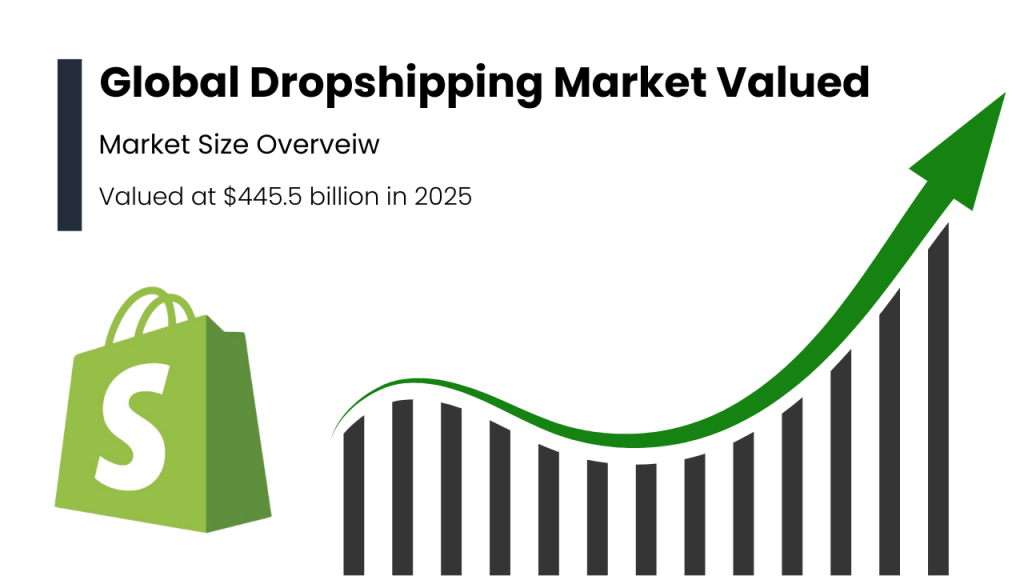
The opportunity is enormous — if you approach it the right way.
Is Dropshipping Still Profitable in 2026?
Yes — but it’s different from what it looked like in 2018. Back then, you could throw up a store, run a few Facebook ads, and make money almost overnight. The bar was low and competition was minimal.
In 2026, the winners are the people who treat dropshipping like a real business — not a get-rich-quick scheme. They build branded stores, focus on a specific niche, and create content that drives free traffic.
The good news? Because most dropshippers are still lazy and generic, there’s a huge opportunity for people who are willing to do the work properly. That’s exactly what this guide will help you do.
Key reasons dropshipping is still worth starting in 2026:
- Low startup cost — you can start with under $100
- No inventory or shipping to manage
- Work from anywhere with a laptop and Wi-Fi
- Massive product selection across every niche
- Scales well — one person can run a 6-figure store
Step 1: Choose a Profitable Niche (This Is the Most Important Step)
Your niche is the specific market or topic your store focuses on. Picking the right niche can make or break your entire business, so don’t rush this step.
The biggest mistake beginners make is trying to sell everything to everyone — a “general store” approach. In 2026, niche-specific stores consistently outperform general stores because they build trust, rank better in search, and attract loyal customers.
What Makes a Good Dropshipping Niche?
- Passionate buyers who spend money regularly
- Products priced between $30–$150 (sweet spot for margins and impulse buys)
- Not completely dominated by Amazon or big-box retailers
- Year-round demand — not just seasonal
- Products that are lightweight and easy to ship
Top Dropshipping Niches in 2026
- Pet wellness products (anxiety relief, grooming, supplements)
- Sustainable home and kitchen goods
- Smart home accessories and gadgets
- Fitness recovery tools (massage guns, resistance bands, etc.)
- Hobby-specific gear (golf training aids, art supplies, etc.)
- Phone accessories (MagSafe products, portable chargers)
- Baby and toddler products
- Home office and remote work gear
How to Validate Your Niche Before You Build a Store
Before committing, spend 30 minutes doing this:
- Search your niche on Google Trends — is there consistent search interest?
- Browse Reddit communities in the niche — what problems are people talking about?
- Search the niche on TikTok — are there videos with millions of views about these products?
- Check Amazon Best Sellers in that category — are products selling with lots of reviews?
If you see all four signals pointing in the right direction, you’ve found a solid niche.
🎯 Pro Tip from Smart Drop Academy
Don’t pick a niche just because you think it’s cool. Pick it because there are real buyers who are actively searching for products in that space. Passion helps, but buyer intent pays the bills.
Step 2: Find Reliable Dropshipping Suppliers
Your supplier is your business partner — even if they don’t know it. A bad supplier means slow shipping, poor product quality, and angry customers. A great supplier means happy customers and repeat buyers.
Best Supplier Options for Beginners in 2026
AutoDS — One of the most popular all-in-one dropshipping platforms. They connect you with suppliers from the US, China, and Europe and automate order fulfillment.
CJDropshipping — Great for custom packaging and fast shipping. They have warehouses in the US and Europe for quicker delivery times.
Zendrop — US-based supplier with fast 5–10 day shipping. Excellent if you’re targeting American customers who expect quick delivery.
AliExpress — Still a viable option but be selective. Look for suppliers with high ratings, lots of orders, and ePacket shipping options.
Spocket — Focuses on US and EU suppliers. Great for faster shipping times and higher-quality products.
What to Look For in a Supplier
- Shipping times under 15 days (ideally 7–10 days for US customers)
- At least a 4.8-star rating with hundreds of reviews
- Responsive customer support
- Clear return and refund policies
- Option for branded packaging or private labeling
Step 3: Set Up Your Online Store
Now comes the fun part — building your store. In 2026, you have two main platform options for dropshipping: Shopify and WooCommerce (WordPress). Both work great, but they serve different types of people.
Shopify vs WooCommerce: Which Should You Choose?
Shopify | WooCommerce (WordPress) | |
Best For | Beginners who want speed and simplicity | Bloggers/SEO-focused stores |
Monthly Cost | $39/month (Basic plan) | $5–$20/month (hosting) |
Technical Skill | Low — drag and drop | Medium — some setup required |
SEO Flexibility | Good (limited blog) | Excellent (full blog + SEO tools) |
Our recommendation: If you want to get a store running fast and focus on paid ads, go with Shopify. If you plan to build a blog alongside your store for SEO (highly recommended!), WooCommerce on WordPress gives you more flexibility.
Your Store Setup Checklist
- Choose and register a domain name ($10–15/year via Namecheap or GoDaddy)
- Set up your platform (Shopify or WordPress + WooCommerce)
- Choose a clean, fast-loading theme
- Connect your supplier app (AutoDS, CJDropshipping, Zendrop)
- Set up payment processing (Stripe, PayPal)
- Add essential pages: About, Contact, Shipping Policy, Refund Policy, Privacy Policy
- Install a basic SEO plugin (Rank Math or Yoast — both free)
Step 4: Add Products and Optimize Your Listings
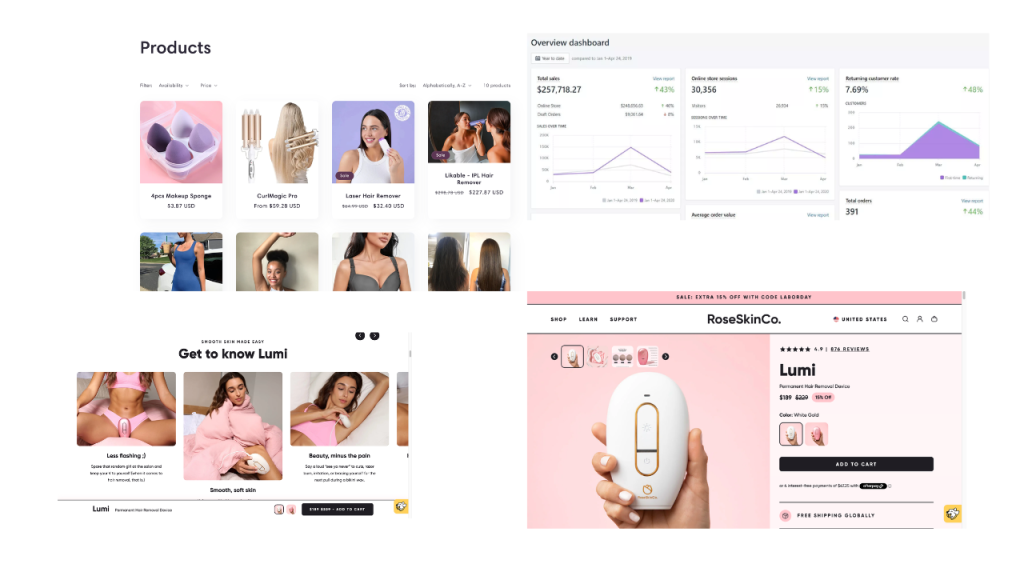
Adding products is not just about importing them from your supplier. The difference between a store that converts and one that doesn’t often comes down to how the product is presented.
How to Write Product Descriptions That Sell
Most dropshippers make the mistake of copy-pasting the supplier’s description. Don’t do this — it’s duplicate content that hurts your SEO, and it reads like a robot wrote it.
Instead, write your descriptions using this simple formula:
- Start with the problem your customer has
- Explain how your product solves that problem
- List the key features and benefits (benefits first, features second)
- Add a clear call to action (“Order today and get free shipping!”)
Product Listing Best Practices
- Use high-quality images — request them from your supplier or create mockups
- Include the primary keyword in your product title and first 100 words of description
- Add at least 4–6 product photos from different angles
- Show size/dimension charts if relevant
- Include real customer reviews (import from AliExpress using review import apps)
- Set prices that feel premium — avoid the $.99 endings if you want to look like a brand
💰 Pricing Strategy
A good rule of thumb: multiply your product cost by 3x for your retail price. So a $15 item sells for $45. This covers your ad spend, platform fees, and still leaves profit. For high-ticket items ($50+ product cost), a 2x markup can still be very profitable.
Step 5: Drive Traffic to Your Store
A beautiful store with no visitors makes zero sales. Traffic is the lifeblood of your dropshipping business, and in 2026 you have more ways to get it than ever.
There are two main categories: free (organic) traffic and paid traffic. As a beginner, I recommend starting with at least one organic method before you spend money on ads.
Free Traffic Methods (Organic)
TikTok is the single most powerful free traffic source for dropshippers in 2026. Post 1–3 videos per day showing your product in action — unboxings, demonstrations, before-and-after results. You don’t need to show your face. A good viral video can drive thousands of visitors overnight.
Repurpose your TikTok content on Instagram Reels. Same video, double the reach. Build a niche-focused account around your product category for best results.
Pinterest drives consistent, long-term traffic. Create visually appealing pins linking back to your products or blog posts. A single pin can drive traffic for months or even years.
This is the long game but the most sustainable. Write helpful blog posts around your niche (like the guide you’re reading right now!) and rank on Google. This is exactly why you’re reading content from Smart Drop Academy — good SEO works.
Paid Traffic Methods
TikTok Ads
Start with a $20–$30/day budget. TikTok ads work best when they look like organic content — use real video footage showing the product being used, not polished ads.
Meta Ads (Facebook & Instagram)
Still powerful in 2026, especially for targeting specific demographics. Best for products with a clear visual appeal. Start small, test multiple creatives, and scale what works.
Google Shopping Ads
Great for products people are already searching for. Lower competition than Meta ads in many niches. Requires product feed setup but converts very well.
🚀 Beginner’s Traffic Strategy
Month 1: Post 1–2 TikTok organic videos per day. Month 2: Start testing $10/day TikTok or Meta ads once you know which products get attention organically. Month 3+: Scale winning ads and layer in SEO content.
Step 6: Handle Orders, Returns, and Customer Service
This part of dropshipping isn’t glamorous, but handling it well is what separates successful long-term businesses from stores that fizzle out after a few months.
Order Fulfillment
With automated tools like AutoDS or DSers, most of your order fulfillment happens automatically. When a customer orders, the system places the order with your supplier and sends tracking information. Review your dashboard daily to catch any issues early.
Handling Customer Service
Your customers don’t know you’re dropshipping. To them, you are the brand. Treat every customer interaction like it matters — because it does.
- Respond to emails and messages within 24 hours (ideally faster)
- Set up a professional support email (support@yourdomain.com)
- Create a clear FAQ page to handle the most common questions
- Use a free tool like Tidio or Freshdesk for live chat support
Returns and Refunds
Have a clear refund policy posted on your store. For most niches, offering a 30-day return window is the standard. When a customer wants a refund, don’t fight it — issue it quickly and professionally. Chargebacks are far more costly than refunds.
Step 7: Scale Your Store to 6 Figures
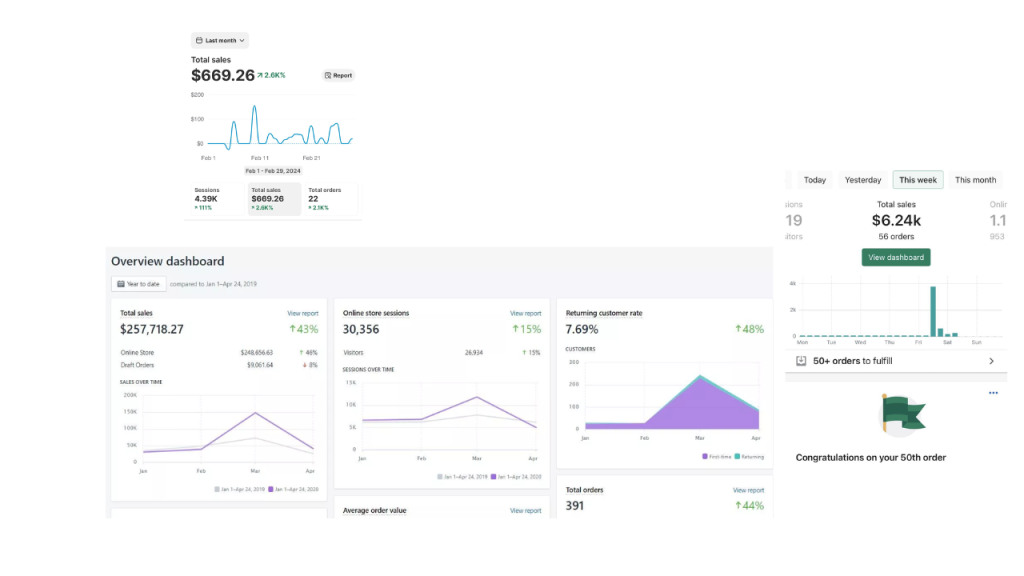
Once you’ve made your first few sales and found products that consistently convert, it’s time to think about scaling. This is where things get exciting.
How to Scale What’s Working
- Double your ad budget gradually (increase by 20–30% every 3–5 days, not overnight)
- Expand to new ad platforms — if TikTok is working, test Meta; if Meta is working, test Google
- Test new creatives — same product, different videos and angles
- Add complementary products to increase your average order value
- Create bundles and upsells at checkout
Build Email Marketing Early
From day one, collect email addresses. Offer a 10% discount in exchange for an email. Then send:
- A welcome email sequence (3–5 emails introducing your brand)
- Abandoned cart emails (these alone can recover 10–15% of lost sales)
- Weekly promotions or new product announcements
- Post-purchase follow-ups asking for reviews
When to Hire Help
Once you’re consistently making $5,000+ per month, consider hiring a virtual assistant (VA) to handle customer service and order management. This frees you up to focus on marketing and scaling — the parts only you can do.
Common Dropshipping Mistakes to Avoid (Learn From These)
Mistake #1: Picking the wrong niche. Choosing something you like instead of something buyers are actively searching for. Validate first, build second.
Mistake #2: Ignoring product quality. Never list a product without ordering a sample. Cheap, low-quality products destroy your reputation.
Mistake #3: Expecting overnight success. Most dropshippers take 60–90 days to make their first consistent sales. This is normal. Stay patient.
Mistake #4: Running ads without testing organically first. Spend money on ads only once you’ve validated that people actually like your product.
Mistake #5: Ignoring SEO and content. Building a blog around your niche is the most sustainable way to build long-term traffic. Don’t skip this.
Mistake #6: Giving up too soon. The biggest difference between people who succeed and those who don’t is simply time in the game. Keep going.
Frequently Asked Questions About Dropshipping in 2026
How much money do I need to start dropshipping?
You can technically start for as little as $50–$100 (domain + Shopify trial + a small product test order). Realistically, having $300–$500 available gives you breathing room to test products and run small ads.
How long does it take to make money dropshipping?
Most beginners see their first sale within 30–60 days if they follow a solid strategy. Consistent profitability typically takes 3–6 months. This is a business, not a lottery ticket.
Do I need a business license to dropship?
Requirements vary by country and state. In the US, you’ll likely need a basic LLC or sole proprietorship setup eventually. Start without one if you’re testing the waters, but get legal as soon as you’re making consistent revenue.
Is dropshipping legal?
Absolutely. Dropshipping is a completely legal and widely used business model. Just make sure you’re not selling counterfeit or trademarked products.
What’s the best platform for dropshipping in 2026 — Shopify or WooCommerce?
Both work. Shopify is easier and faster to launch. WooCommerce is better if you want to combine a store with a powerful blog for SEO. Most beginners should start with Shopify. If you want a full depth guide check out Shopify vs WooCommerce for Dropshipping: Which Should You Choose?
Final Thoughts: You're More Ready Than You Think
Starting a dropshipping business in 2026 is one of the most accessible paths to building real income online. The playbook is clear. The tools are better than ever. And the opportunity is massive for people willing to put in the work.
Here’s your simple action plan starting today:
- Pick a niche using the validation method above
- Research 3 suppliers and order samples of your top products
- Set up your store (aim to have it live within 7 days)
- List your first 5–10 products with original, compelling descriptions
- Start posting TikTok organic content immediately
- Once you see traction, invest in small paid ads
- Build your email list from day one
You don’t need to be perfect. You just need to start. Every successful dropshipper you’ve ever read about started exactly where you are right now — with no experience, no guarantee, and a decision to try.
That decision is the hardest part. You’ve already made it.
Want to shortcut your learning curve? 🚀
Join the Smart Drop Academy and get access to our complete step-by-step dropshipping course, winning product database, supplier contacts, and TikTok marketing templates — everything you need to go from zero to your first sale.

