How to Build a Sales Funnel Step by Step (Beginner-Friendly Guide for Online Income)
- 16 min Read
- Beginner Freindly
- Checked by Chris Stone
If you’ve ever tried to make money online — whether through dropshipping, affiliate marketing, or digital products — you’ve probably experienced this frustrating cycle:
You post content.
You get views.
You might even get clicks.
But sales?
Inconsistent… or nonexistent.
I know this feeling because I’ve been there.
And for a long time, I thought the problem was me. I thought I needed better content, more motivation, or some secret strategy no one was telling me about.
But the truth was much simpler.
I didn’t have a sales funnel.
In this article, I’m going to show you how to build a sales funnel step by step, in a way that actually makes sense — especially if you’re a beginner trying to build online income through dropshipping or affiliate marketing.
No complicated tech talk.
No confusing diagrams.
No “guru fluff.”
Just a clear, practical explanation that feels like someone sitting next to you and saying, “Here’s how this really works.”
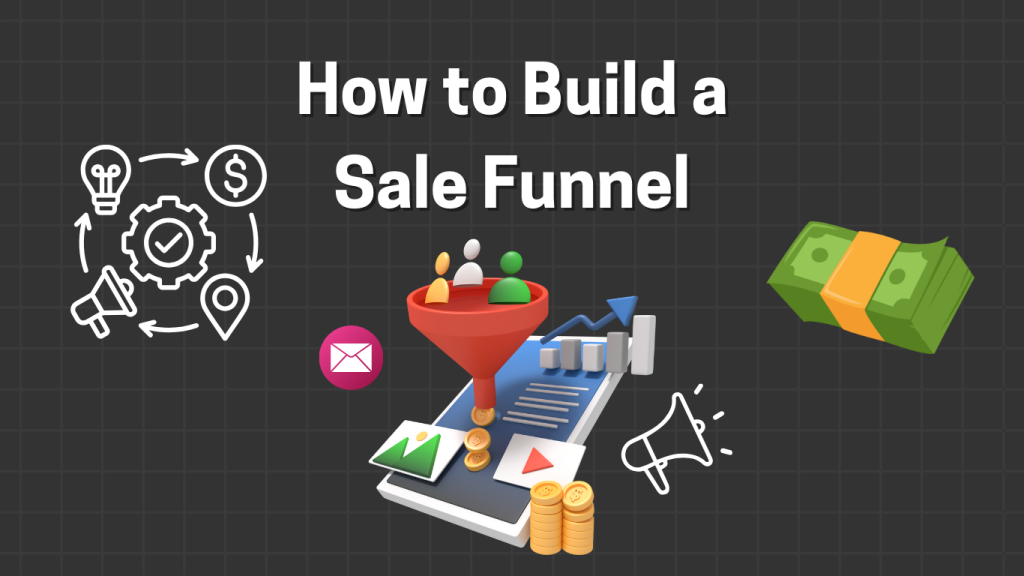
What a Sales Funnel Really Is
Before we dive into how to build a sales funnel step by step, let’s clear up the confusion.
A sales funnel is simply the path someone takes from discovering you to buying from you.
That’s it.
Think about how you buy things online.
You don’t usually buy the first thing you see. Instead:
You discover something through content or an ad
You get curious
You learn more
You build trust
Then you decide
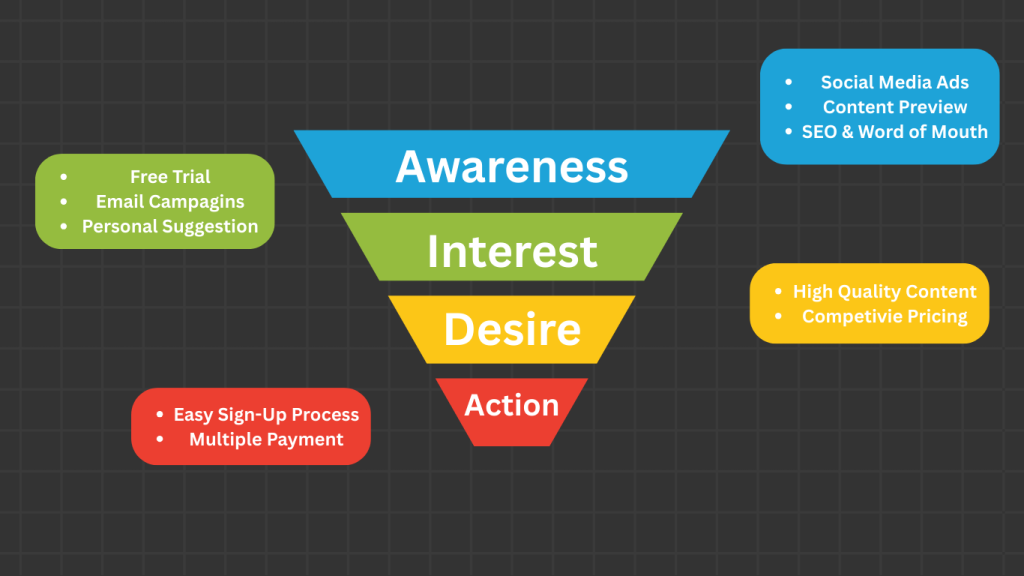
A sales funnel recreates this process intentionally.
Instead of hoping people magically buy, your funnel guides them.
And the best part?
Once it’s built, it works automatically.
Why Sales Funnels Matter So Much for Beginners
Here’s something most beginners don’t realize — and it’s one of the biggest reasons people quit too early.
If you don’t have a sales funnel, you’re constantly starting from zero.
Every post you publish.
Every video you upload.
Every piece of content you work hard to create.
The moment it’s posted, it disappears into the feed… and you’re back to square one the next day.
Nothing compounds.
That’s exhausting — and it’s not how real online businesses are built.
A sales funnel changes this completely.
Instead of hoping people remember you, your funnel gives you a way to keep the conversation going. When someone enters your funnel, they don’t just consume one piece of content and leave forever — they stay connected.
When you build a sales funnel:
You capture email leads you can reach anytime
You build a relationship over days or weeks
You follow up automatically without chasing anyone
You increase conversions as trust grows over time
This is especially important if you’re doing dropshipping or affiliate marketing, because let’s be honest — people are skeptical online.
They don’t know you.
They don’t trust links.
And they definitely don’t buy from strangers.
A sales funnel gives people time to get comfortable with you. It lets them see your personality, understand your approach, and feel like you actually care about helping them — not just making a quick sale.
That’s when things change.
People stop seeing you as “another random account” and start seeing you as a guide. Someone who knows what they’re doing. Someone worth listening to.
And that’s the real power of funnels.
They don’t just sell products.
They build familiarity.
They build trust.
Funnels turn strangers into familiar faces — and familiar faces into buyers.
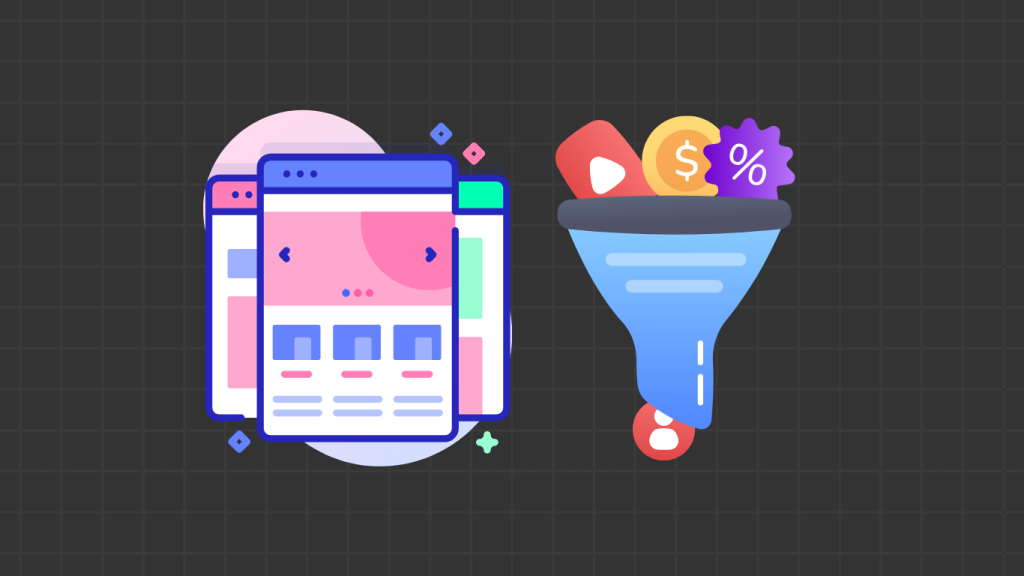
The Biggest Sales Funnel Myth That Holds People Back
Let me stop you right here and save you months of frustration — and probably a lot of unnecessary stress.
One of the biggest myths in online business is that a sales funnel needs to be:
Complicated
Expensive
Built using 10 different tools stitched together
So beginners do what beginners naturally do — they overthink everything.
They spend weeks researching software.
They watch endless tutorials.
They try to build the “perfect” funnel before they ever launch.
And in the process… nothing actually gets published.
Here’s the truth most people don’t tell you:
Overcomplicated funnels don’t convert better. They just overwhelm you.
Especially in the beginning.
When you’re new, you don’t need advanced tracking, complex automation trees, or five different upsells. You need something simple that works — something you can understand, manage, and improve over time.
Simple funnels convert better because:
They’re easier for visitors to follow
There’s less friction and confusion
You actually finish building them
That’s exactly why I use Systeme.io.
Instead of juggling multiple platforms, Systeme.io lets you build:
Sales funnels
Email automations
Sales pages
Affiliate funnels
All in one place, without technical headaches or complicated setups.
You don’t need to connect a dozen tools.
You don’t need to be “tech-savvy.”
And you don’t need a big budget to get started.
And yes — it even has a free plan, which makes it perfect for beginners who want to focus on learning and taking action, not worrying about monthly software bills.
If you’re learning how to build a sales funnel step by step, this approach removes one of the biggest barriers: overcomplication.
Build it simple.
Launch faster.
Improve as you go.
That’s how real funnels — and real online income — are actually built.
Ready to Start Your Dropshipping Journey?
Learning how to start dropshipping with no money is just the first step. If you want a clear roadmap with proven strategies, I’ve put together a Free 4-Day Dropshipping Training that will show you exactly how to:
Pick winning products that actually sell
Set up a store without wasting time or money
Drive free traffic to your store and start making sales
Take your first step toward building a profitable online business today! No email require!
Step 1: Choose One Clear Offer (Clarity Comes First)
The first step in how to build a sales funnel step by step is clarity.
Before you touch any software, ask yourself:
Who am I helping — and with what problem?
Your offer could be:
A dropshipping product
An affiliate product
A low-ticket digital guide
A course or training
If you’re a beginner, I strongly recommend:
Affiliate marketing
Or a simple dropshipping product
Why?
Because you don’t need to:
Create a product from scratch
Handle customer support alone
Build a complex backend
Your job is traffic + funnel.
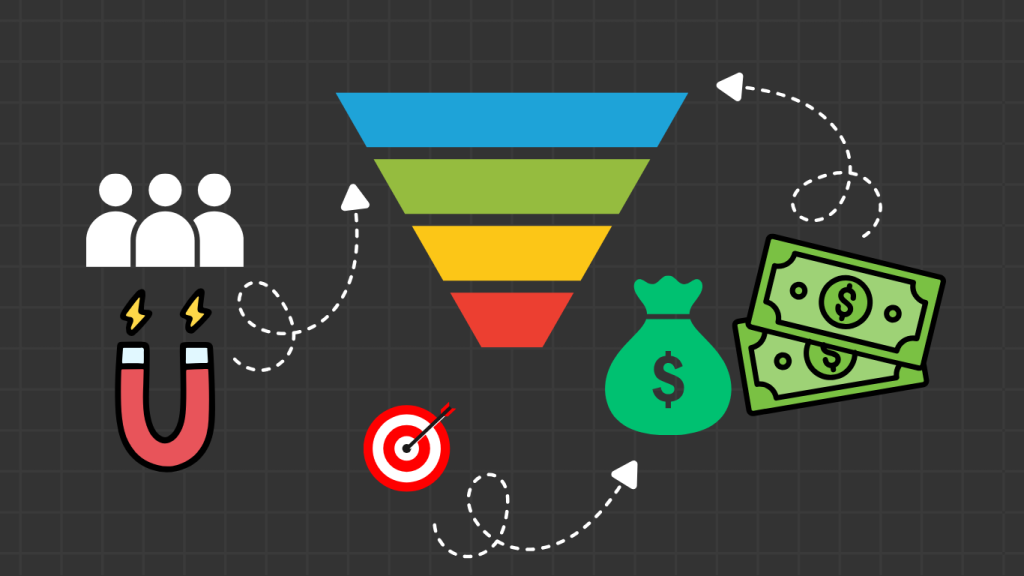
Step 2: Create a Lead Magnet That Actually Solves a Problem
This is where most funnels begin.
A lead magnet is something valuable you give away for free in exchange for an email address.
Here’s the mistake people make:
They try to teach everything.
Don’t do that.
Your lead magnet should solve one small but painful problem.
For example:
“How to Find Winning Dropshipping Products”
“Beginner Funnel Setup Checklist”
“Affiliate Marketing Starter Guide”
People don’t want information.
They want relief.
Step 3: Build a Simple Opt-In Page (Focus on One Action)
Now we’re officially inside the how to build a sales funnel step by step process — and this is where most funnels either succeed or completely fall apart.
Your opt-in page has one job and one job only:
👉 Get the visitor to enter their email address.
That’s it.
Not to explain your entire business.
Not to tell your life story.
Not to showcase everything you offer.
The moment you ask someone to make more than one decision, conversions drop.
That’s why simplicity is everything here.
A strong opt-in page removes distractions so the visitor knows exactly what to do next. That means:
No menus at the top
No links leading away from the page
No unnecessary text or images
Every extra option is an excuse to leave.
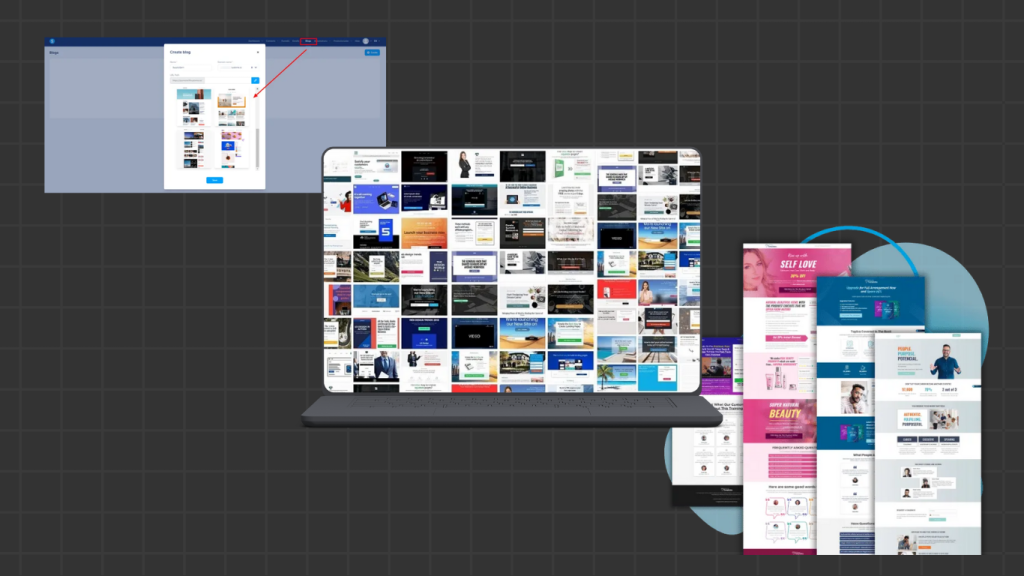
Using Systeme.io, building this kind of page is incredibly beginner-friendly. You don’t need to code or design anything from scratch. You simply choose a template, customize the text, and drag elements into place.
More importantly, Systeme.io templates are built with conversions in mind — not just aesthetics.
A high-converting opt-in page usually includes:
A clear headline that focuses on the outcome or result the visitor wants
A short explanation that explains why this free resource matters
A simple opt-in form (name and email is more than enough)
One clear call-to-action button telling them exactly what happens next
Notice what’s missing: fluff.
The goal isn’t to impress people.
The goal is to guide them.
If someone understands the benefit in a few seconds, they’re far more likely to opt in. And once they do, they’ve officially entered your funnel — which means you now have the opportunity to build trust, deliver value, and move them toward your offer.
Simple wins here.
Always.
This one page sets the foundation for your entire sales funnel, so focus on clarity, not complexity.
Step 4: Use a Thank You Page the Right Way
Most beginners completely underestimate this step — and as a result, they leave a lot of potential on the table.
Your thank you page is not just a confirmation screen that says, “Thanks for signing up.”
It’s actually one of the most important transition points in your entire sales funnel.
Why?
Because at this moment, the visitor has just taken action. They’ve raised their hand and said, “Yes, I’m interested.” That makes them far more attentive than at any other point in the funnel.
This is where you:
Set clear expectations
Start building trust immediately
Prepare them for what’s coming next
A well-used thank you page removes confusion and reassures the visitor that they made the right decision.
This is the perfect place to briefly introduce yourself — not with a long backstory, but with a simple, human message. Let them know who you are, why you’re helping them, and what they can expect from you.
You should also clearly explain:
What they just signed up for
When and how they’ll receive it
That you’ll be sending helpful emails soon
This small step alone can dramatically improve your email open rates, because people are now expecting to hear from you.
You can also gently plant the seed for what comes next.
Without any pressure, you might mention that you’ll be sharing additional tools, strategies, or resources that help make the process easier — including your paid solution. There’s no hard sell here. Just awareness.
When done right, your thank you page builds momentum.
Instead of the journey stopping after the opt-in, it smoothly moves the reader forward, keeping them engaged, informed, and comfortable as they continue through your funnel.
And that’s exactly what a good sales funnel is supposed to do.
Step 5: Build an Email Sequence That Feels Human
This is where your sales funnel truly comes to life.
Email automation is the engine of your funnel. It’s what turns a simple opt-in into an actual relationship — and eventually, into sales. Without this step, your funnel is basically incomplete.
Why?
Because most people don’t buy the first time they see something. They need time, reassurance, and trust. Email gives you that space.
When someone joins your email list, they’re inviting you into their inbox — which is a much more personal place than social media. That’s why how you show up in these emails matters.
Inside Systeme.io, you can create an automated email sequence that starts the moment someone opts in. Once it’s set up, these emails are sent automatically, one after another, without you needing to manually do anything.
But here’s the important part:
These emails should feel human, not automated.
You’re not writing to “leads.”
You’re writing to a real person who’s trying to figure something out.
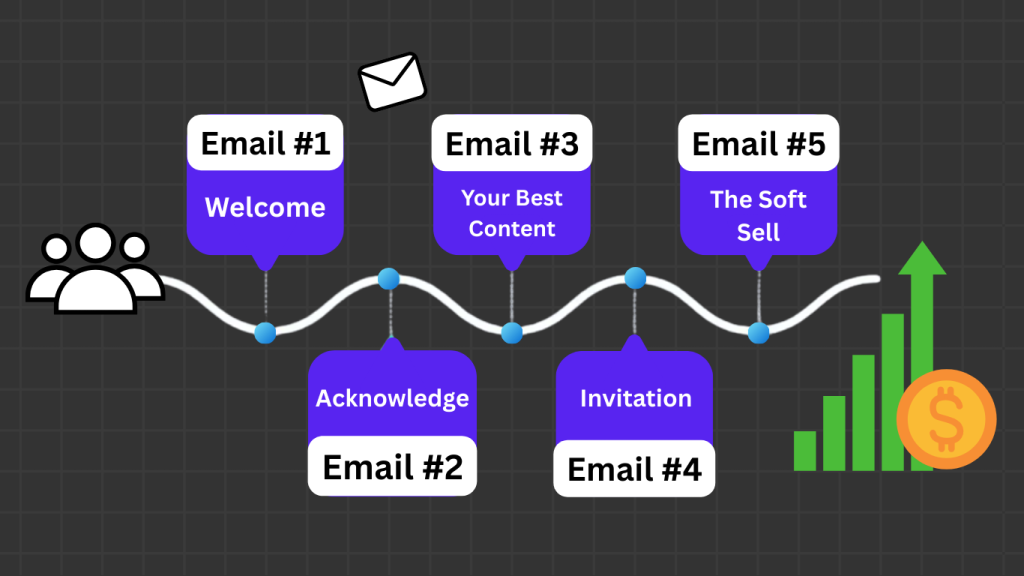
A simple and effective email sequence usually follows a natural flow, something like this:
Email 1: Deliver the freebie and welcome them
This email confirms they made the right decision. You deliver what you promised, thank them for joining, and let them know what to expect next. Keep it warm and reassuring.
Email 2: Share your story
This is where you become relatable. Talk about where you started, what you struggled with, and why you understand what they’re going through. You’re not positioning yourself as a “guru” — just someone a few steps ahead.
Email 3: Teach something useful
Now you give real value. Share a tip, insight, or lesson that helps them make progress. This builds credibility and shows that your emails are worth opening.
Email 4: Highlight the problem
At this stage, you help them clearly see the gap between where they are now and where they want to be. You’re not creating fear — you’re creating awareness. Many people don’t take action because they don’t fully understand what’s holding them back.
Email 5: Introduce the solution
Only now do you talk about your offer. And when you do, it feels natural. The solution is presented as a next step, not a pushy pitch. It’s simply, “Here’s what helped me, and here’s how it can help you too.”
This is where storytelling really matters.
Instead of selling, you’re guiding.
Instead of convincing, you’re helping.
People don’t connect with funnels or automation — they connect with people. When your emails sound like a real conversation, trust grows naturally. And when trust grows, conversions follow.
That’s the real power of an email sequence done right.
Step 6: Introduce Your Offer Naturally (No Pressure)
This is the part that makes a lot of beginners nervous — but it really doesn’t need to be.
Selling doesn’t have to feel awkward, pushy, or “salesy.” In fact, the most effective funnels don’t feel like selling at all. They feel like a recommendation from someone you trust.
Think about it this way:
You’re not trying to convince anyone to buy something they don’t want. You’re simply showing them a solution that already exists for a problem they’ve been thinking about.
Instead of saying:
“Buy this now before it’s gone!”
You’re saying:
“This is what helped me, and here’s why it might help you too.”
That shift in mindset changes everything.
By the time you introduce your offer, your audience already knows:
Who you are
What you stand for
That you understand their situation
That you’ve been providing value without asking for anything in return
So when you finally mention a product, it feels natural — not forced.
This is exactly why affiliate marketing works so well with funnels.
You’re not creating the product.
You’re not handling support.
You’re not pressuring anyone.
You’re simply guiding people toward a tool, course, or solution that solved a problem for you — and explaining how it fits into their journey.
A simple, pressure-free way to introduce an offer might look like:
Mentioning the tool you personally use
Explaining the result it helped you achieve
Sharing who it’s best for (and who it’s not for)
Letting them decide if it makes sense for them
No fake urgency.
No aggressive countdowns.
No manipulation.
Just clarity and honesty.
When people feel respected, they’re far more likely to take action. And even if they don’t buy right away, they’ll trust you more — which means they’re more likely to buy later.
You’re not forcing a decision.
You’re guiding one.
Step 7: Create a Simple Sales Page That Converts
Let’s clear something up right away.
Your sales page does not need to be long, fancy, or filled with hype to work.
In fact, one of the biggest mistakes beginners make is thinking their sales page needs to “look professional” or sound like a big brand. That mindset usually leads to overthinking, clutter, and confusion — which quietly kills conversions.
A sales page has one job:
👉 Help the reader decide if your offer is right for them.
That’s it.
If someone lands on your page and feels overwhelmed, confused, or unsure what to do next, they’ll leave — even if your product is great.
That’s why simple sales pages convert better, especially when you’re just starting.
Think of your sales page like a calm, honest conversation — not a sales pitch.
You’re walking someone through a decision they’re already thinking about.
What a Simple, High-Converting Sales Page Actually Does
A good sales page doesn’t shout.
It doesn’t beg.
It doesn’t try to impress.
Instead, it clearly answers the questions already running through the reader’s mind.
Let’s break it down in a natural flow.
First, your page needs to acknowledge the problem.
Not in a dramatic way — but in a relatable one.
You want the reader to feel understood.
They should read the first few lines and think:
“Wow… that’s exactly what I’m dealing with.”
This builds instant connection.
Next, explain why the problem matters.
Most people know they’re stuck — but they don’t always realize how much it’s costing them in time, money, or confidence.
This is where you gently highlight the consequences of staying where they are:
Wasted effort
Inconsistent results
Frustration
Feeling overwhelmed
Not to scare them — but to help them recognize the urgency to change.
Then, you introduce the solution.
This is where your offer comes in — naturally.
Not as a miracle fix.
Not as a guarantee.
Just as a structured, proven way forward.
You’re showing them:
“This is the tool/process/system that helped me move past this exact problem.”
From there, you shift into the benefits.
This is where beginners often get stuck, so keep it simple.
People don’t buy features.
They buy outcomes.
Instead of listing everything inside the product, focus on how their life or situation improves after using it.
Think in terms of:
What becomes easier
What becomes clearer
What stress gets removed
What result becomes possible
Finally, you explain what happens next.
This part is more important than most people realize.
Uncertainty kills conversions.
So tell them exactly what to expect:
What happens after they click the button
How they receive access
What their first step will be
When people know what’s coming, they feel safe taking action.
Why Systeme.io Makes This So Easy
Here’s where things get even simpler.
With Systeme.io, you don’t need to design anything from scratch or guess what works.
The platform includes pre-built sales page templates designed around proven conversion principles — meaning:
Clean layouts
Clear sections
Strong call-to-action placement
Mobile-friendly design
You’re not reinventing the wheel.
You’re just customizing the message.
And because your sales page, emails, and funnel are all inside the same platform, everything flows smoothly — which creates a better experience for the buyer and higher conversions for you.
The Real Secret to Sales Pages That Convert
Here’s the truth most people won’t tell you:
Your sales page doesn’t convert because it’s perfect.
It converts because it’s clear.
Clarity beats clever every time.
When your page:
Speaks to one person
Solves one problem
Offers one clear solution
Asks for one clear action
You make it easy for people to say yes.
And when people feel confident in their decision, they’re far more likely to follow through.
Simple pages don’t just convert better —
They build trust faster.
And trust is what actually drives sales.
Step 8: Connect Everything Inside Systeme.io
At this point, a lot of beginners start to panic because this step sounds technical.
But here’s the truth:
This is one of the simplest parts of the entire funnel.
Inside Systeme.io, you’re not dealing with complicated integrations, code, or third-party tools. Everything you’ve built — your pages, emails, and automations — already lives in the same place. Connecting them is mostly just selecting options from dropdown menus.
Think of it like connecting puzzle pieces that were designed to fit together.
Here’s what you’re really doing behind the scenes:
You connect your opt-in page to your email sequence, so when someone enters their email, they’re automatically added to your list.
You link your thank you page, so after they opt in, they’re immediately redirected and know exactly what to do next.
You add your sales page, so when the time is right — either from an email or the thank you page — they’re guided naturally to your offer.
Then you set a few basic automation rules, such as:
“When someone subscribes, start this email sequence”
“When someone clicks this link, tag them”
“When someone buys, stop promoting this offer”
That’s it.
No coding.
No plugins.
No confusing setups.
Once these connections are in place, your funnel becomes a system — not a task.
Why This Step Changes Everything
This is the moment your business stops relying on constant manual effort.
From now on:
People can discover your content
Join your email list
Receive value-packed emails
Learn about your offer
Make a purchase
All without you being online.
That’s the real power of a sales funnel.
You’re no longer trading time for every result. You’re building something that works in the background — whether you’re sleeping, working, or taking a break.
This is how people create consistency.
This is how momentum builds.
And this is how online income becomes scalable instead of stressful.
Once everything is connected inside Systeme.io, your funnel isn’t just built — it’s alive.
Ready to Start Your Dropshipping Journey?
Learning how to start dropshipping with no money is just the first step. If you want a clear roadmap with proven strategies, I’ve put together a Free 4-Day Dropshipping Training that will show you exactly how to:
Pick winning products that actually sell
Set up a store without wasting time or money
Drive free traffic to your store and start making sales
Take your first step toward building a profitable online business today! No email require!
Step 9: Drive Traffic to Your Funnel
You can build the most beautiful funnel in the world…
But without traffic, it’s just a website sitting quietly on the internet.
Traffic is what brings your funnel to life.
And here’s the good news:
You do not need to be famous, have thousands of followers, or spend money on ads to start getting results.
You just need consistent attention from the right people.
First, Understand What “Traffic” Really Means
Traffic simply means people clicking your link.
That’s it.
Your job is not to convince people to buy on social media.
Your job is to spark interest and send them to your opt-in page.
Social platforms = discovery
Your funnel = conversion
Once you understand this, everything becomes easier.
Pick ONE Traffic Source (This Is Critical)
One of the biggest mistakes beginners make is trying to be everywhere at once.
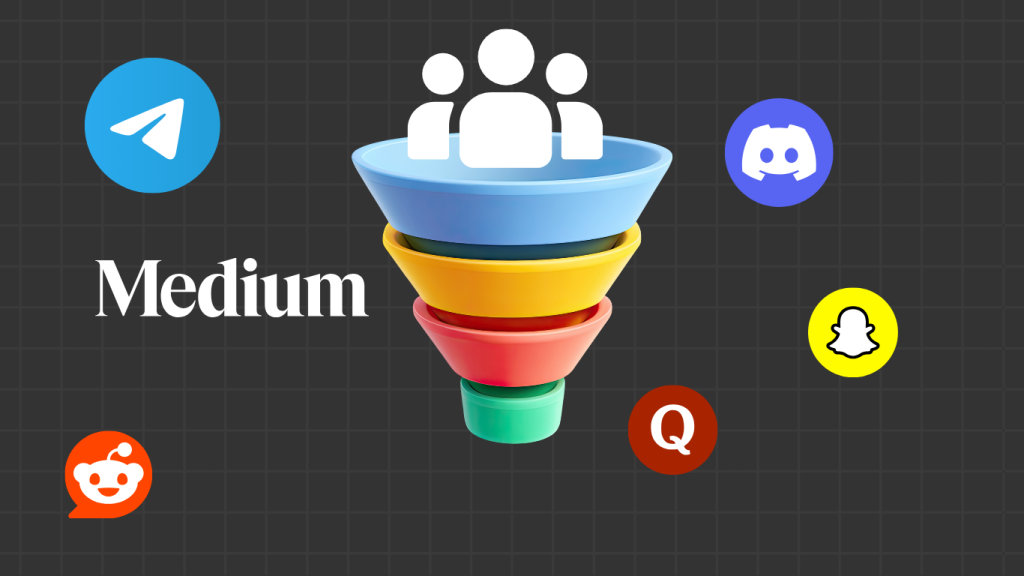
TikTok. Instagram. YouTube. Pinterest. Blogging.
They post inconsistently, burn out, and see no results.
Instead, choose one platform and commit to it for at least 30–60 days.
Beginner-friendly options include:
TikTok
Perfect for fast growth and faceless content.
Short, relatable, problem-aware videos work extremely well.
Example content:
“I tried making money online and failed until I learned this…”
“No one talks about this part of starting online business”
“If I had to start over, I’d do this first”
Instagram Reels
Great if you enjoy visuals, quotes, and short educational clips.
Works well when paired with Stories for trust-building.
YouTube Shorts
Ideal if you want longer-term exposure.
Videos can continue getting views weeks or months later.
Blogging (SEO)
Slower, but powerful.
You write once, and articles can send traffic daily over time.
Perfect if you prefer writing instead of video.
A search engine disguised as social media.
Great for funnels, blogging, and evergreen traffic.
You don’t need to master all of them.
You need to master one.
What Should You Post? (This Is Where Most People Get Stuck)
Your content should do one of three things:
Highlight a problem your audience already has
Share a relatable experience or mistake
Teach one small insight or shift
You are not selling here.
You’re creating curiosity.
Think:
“That sounds like me”
“I need this”
“I want to learn more”
At the end of your content, your call-to-action is simple:
👉 “Link in bio”
👉 “Grab the free guide”
👉 “Free training in the description”
That’s it.
Your Funnel Does the Selling — Not You
This is the part beginners don’t fully understand at first.
You don’t need to explain everything in your content.
You don’t need to convince anyone to buy.
You don’t need long captions or complicated pitches.
Your opt-in page exists for a reason.
Social media brings attention.
Your funnel builds trust.
Your emails make the sale.
Once traffic is flowing, the system takes over.
Consistency Beats Virality (Every Time)
You don’t need viral videos.
You need:
1–2 posts per day (short-form)
Or 2–3 blog posts per week
Or a few pins per day on Pinterest
Small numbers add up.
Even:
20 visitors per day
1–2 emails per day
A few sales per week
…can turn into real income over time.
Most people quit too early.
The ones who stay consistent win.
Think Long-Term, Not Overnight
Traffic compounds.
Each post is a new door to your funnel.
Each visitor is a potential long-term subscriber.
Each email is another chance to build trust.
This is why funnels work so well.
You’re not chasing people.
You’re attracting them — then letting your system do the rest.
Once you understand how to drive traffic to your funnel, you’re no longer guessing.
You’re building momentum.
And momentum changes everything.
Step 10: Optimize Over Time (Not Before You Start)
Your first funnel won’t be perfect.
That’s normal.
The goal is to launch, not obsess.
Over time, you improve:
Headlines
Emails
Offers
Messaging
Funnels are built, not discovered.
Why I Recommend Systeme.io for Beginners
I’ve tested multiple platforms, and Systeme.io stands out for one reason:
It removes friction.
You can:
Build funnels
Automate emails
Sell products
Promote affiliate offers
All in one place.
If you’re learning how to build a sales funnel step by step, especially for dropshipping or affiliate marketing, this is one of the easiest tools to start with.
👉 I personally use Systeme.io to build my sales funnels, and you can get started using my affiliate link on this page.
Final Thoughts: Funnels Create Freedom
Let me leave you with this.
Sales funnels aren’t about manipulation.
They’re about structure.
Once you understand how to build a sales funnel step by step, you stop chasing sales — and start building systems.
And systems give you:
Consistency
Predictability
Freedom
Start simple.
Use the right tools.
And take action.
That’s how real online income is built.