Why Isn’t My Dropshipping Store Getting Sales? (5 Fixes)
- 16 min Read
- Beginner Freindly
- Checked by Chris Stone
You finally did it.
You built your Shopify store.
You spent hours (maybe days) finding products.
You watched tutorials, followed guides, maybe even launched ads.
You hit “publish” expecting that first sale notification to pop up.
But instead… nothing.
No sales.
No cha-ching.
Just silence.
If you’re asking yourself “Why isn’t my dropshipping store getting sales?” — take a breath. You’re not alone, and more importantly, this is fixable.
Almost every successful dropshipper you see today went through this exact phase. The difference between people who fail and people who succeed isn’t luck — it’s knowing what to fix instead of giving up too early.
In this guide, we’ll break down the 5 most common reasons dropshipping stores don’t get sales, and exactly how to fix each one step by step — even if you’re a complete beginner.

Key Takeaways (Read This First)
- You’re selling the wrong product
- Your store doesn’t look trustworthy
- You’re getting no traffic or low-quality traffic
- Your product page isn’t convincing people to buy
- Customers don’t trust your brand yet
1. Wrong Product Selection (The #1 Killer of Sales)
If there’s one reason most dropshipping stores never get sales, it’s this:
👉 The product simply isn’t good enough.
This isn’t about quality alone — it’s about demand.
Why Most Beginners Choose the Wrong Product
Many beginners choose products based on:
Personal preference (“I like this”)
What looks cool on AliExpress
What someone on YouTube recommended months ago
But here’s the hard truth:
People don’t buy products because you like them.
They buy because the product solves a problem or triggers emotion.
Signs You Picked the Wrong Product
If your store has:
Visitors but no add-to-carts
Views but no engagement
Ads running with zero conversions
It’s often the product — not your ads or store.
Common red flags:
No one is talking about the product online
It doesn’t solve a clear problem
It’s boring or not visually interesting
It’s oversaturated with no unique angle
The Fix: Choose Data-Backed Winning Products
Winning dropshipping products usually:
✅ Solve a clear pain point
✅ Create excitement, relief, or curiosity
✅ Are easy to show in short videos
✅ Have proven demand
✅ Can be sold between $20–$60
Where to Find Winning Products in 2025
Use free and proven platforms:
TikTok → Search
#tiktokmademebuyitAmazon Movers & Shakers
💡 Pro Tip:
Never just copy a trending product. Improve it with:
Better branding
Bundles
Faster shipping
Stronger visuals

2. Poor Store Design & Branding (Your Store Looks “Scammy”)
Let’s be honest for a moment.
If you landed on your own store as a customer and felt unsure about entering your card details, that’s exactly how visitors feel too.
One of the biggest reasons dropshipping stores don’t get sales has nothing to do with the product or price — it’s trust. If your store doesn’t feel safe, professional, and legitimate, people will leave within seconds, no matter how good the product is.
Why Trust Matters More Than Ever
In 2025, online shoppers are much more cautious than they were a few years ago. Most people have:
Been scammed before
Received low-quality products
Waited weeks for shipping with no updates
Because of this, customers subconsciously scan your store for red flags the moment the page loads.
If your site looks rushed, unfinished, or generic, their brain immediately says:
“This doesn’t feel safe.”
And once that thought hits, the sale is already lost.
Trust is the foundation of every successful dropshipping store. Without it, even viral products won’t convert.
Common Store Design & Branding Mistakes
Many beginners don’t realize how small details can destroy trust. Some of the most common issues include:
🚫 Using a completely untouched Shopify theme that looks identical to thousands of other stores
🚫 Low-quality, blurry, or obviously stolen product images
🚫 No logo or brand identity (just text and random colors)
🚫 Missing About Us page, making the store feel anonymous
🚫 No contact page, support email, or visible way to reach you
🚫 Missing or hard-to-find policies (shipping, refunds, privacy)
Individually, these might seem minor — but together, they silently kill conversions.
The Fix: Make Your Store Look Like a Real Brand
Here’s the good news: your store does not need to be fancy, expensive, or complex.
It just needs to look legitimate.
Successful beginner stores focus on clarity and simplicity, not perfection.
What to prioritize:
Clean layout
Use plenty of white space, avoid clutter, and keep navigation simple. Customers should instantly understand what you sell and where to click.Consistent branding
Choose 1–2 main colors, one font style, and use them consistently. A simple logo (even text-based) goes a long way in building credibility.High-quality visuals
Use clear product images and short videos that show the product in real life. Visual proof builds confidence much faster than text.Mobile optimization
Most shoppers are on their phones. If your store looks bad or loads slowly on mobile, sales will suffer.
Must-Have Trust Pages (Non-Negotiable)
These pages reassure customers that your store is real and accountable:
About Us – Explain who you are and why your store exists
Contact Page – Email, contact form, or support option
Shipping Policy – Clear delivery times and expectations
Refund & Return Policy – Reduce fear of buying
Privacy Policy & Terms – Signals professionalism and security
💡 If customers can’t quickly find answers to their questions, they won’t take the risk of buying.
Remember:
People don’t buy from stores that look perfect — they buy from stores that feel safe.
Fix trust first, and everything else becomes easier.
3. No Traffic or Low-Quality Traffic
No traffic = no sales.
Wrong traffic = no sales.
This is where many beginners get stuck and frustrated. They either aren’t getting visitors at all, or they’re getting traffic that simply isn’t interested in buying.
Traffic is the lifeblood of your dropshipping store—but not all traffic is equal.
Why Traffic Alone Isn’t Enough
It’s a common misconception that more visitors automatically mean more sales. In reality, you could send 10,000 people to your store and still make zero sales if:
They’re not interested in your type of product
They don’t clearly understand what your product does
They landed on your store by accident
They don’t trust your brand or feel safe buying
Sales happen when the right people see the right offer at the right time. Quality always beats quantity.
Common Traffic Mistakes Beginners Make
Many beginners waste time and money because of these common errors:
❌ Running ads without testing the product first
❌ Targeting “everyone” instead of a specific type of buyer
❌ Using the same ad or video repeatedly with no variation
❌ Relying on a single platform and ignoring others
❌ Expecting instant results and quitting after a few days
Traffic is a skill. Like any skill, it improves with practice, testing, and patience.
The Fix: Get Targeted, Intent-Driven Traffic
Instead of chasing random clicks, your goal is to attract people who already care about what you’re selling or have the problem your product solves.
When your traffic has intent, conversions become much easier.
Free Traffic Methods (Highly Recommended for Beginners)
Free traffic is perfect for testing products and learning what works—without risking money.
TikTok & Instagram Reels
Short product demos
Before-and-after transformations
Problem–solution videos
Relatable, UGC-style content
These platforms reward consistency and creativity, not big budgets.
Great for evergreen traffic
Pins can bring visitors for months or even years
Ideal for home, beauty, fitness, and lifestyle products
SEO Blogging
Write articles answering buyer questions
Target keywords people search before purchasing
Builds long-term, passive traffic
💡 You don’t need to show your face. Many viral dropshipping accounts are completely faceless and still convert extremely well.
Paid Traffic (Only After You Have Proof)
Once you see real organic interest—likes, comments, clicks, or add-to-carts—you can confidently scale.
Effective paid traffic options include:
TikTok Ads (UGC-style, native content works best)
Facebook & Instagram Ads (retarget warm audiences)
Google Shopping Ads (high buyer intent)
👉 Golden rule: Never scale paid ads on an untested product. Let organic data guide your decisions.
When you combine the right product with the right traffic, sales stop feeling random—and start becoming predictable.
4. Weak Product Page & Copywriting
Your product page is your salesperson working 24/7.
You can drive all the traffic in the world, but if your product page doesn’t clearly explain why someone should buy, sales simply won’t happen. This is where most dropshipping stores lose potential customers.
A strong product page doesn’t just describe a product — it persuades, reassures, and removes doubt.
Why Most Product Pages Fail
Many beginners unknowingly sabotage their own sales with these common mistakes:
Copy-pasting AliExpress descriptions filled with poor grammar
Listing technical features instead of real-life benefits
Failing to connect emotionally with the customer
No urgency or reason to buy now
Long, unstructured blocks of text that are hard to read
No clear call-to-action telling the customer what to do next
If a visitor has to “figure things out” on their own, they’ll leave.
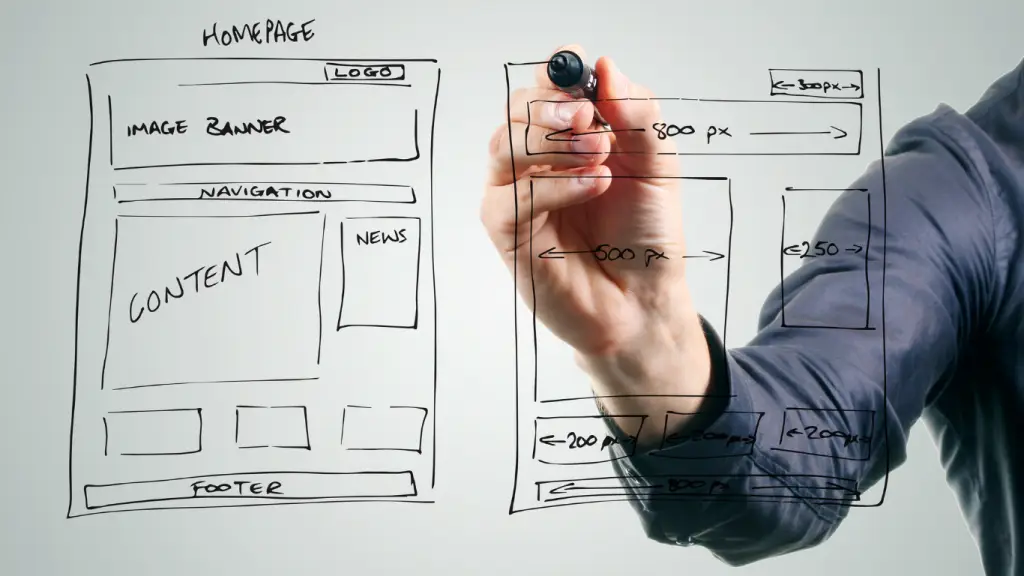
The Fix: Build a High-Converting Product Page
You don’t need fancy copywriting skills. You just need clarity and structure.
1. Strong Headline (Hook Attention Instantly)
Your headline should immediately answer the question:
“Why should I care?”
❌ Wireless Massager
✅ Relieve Back Pain in Just 10 Minutes a Day — Without Medication or Expensive Therapy
A strong headline grabs attention and keeps visitors scrolling.
2. Benefits Over Features (Speak to the Customer)
People don’t buy materials, specs, or dimensions.
They buy outcomes.
Instead of saying:
❌ Made from ABS plastic
Say:
✅ Lightweight, durable, and comfortable enough to use every day
Focus on how the product improves their life, saves time, reduces pain, or makes things easier.
3. Visual Proof (Show, Don’t Tell)
Images and videos often sell more than words.
Use:
Lifestyle images showing the product in real use
Short demo videos explaining how it works
UGC-style content that feels authentic and relatable
Visual proof builds trust and answers questions before they’re even asked.
4. Urgency & Incentives (Give Them a Reason to Act)
Without urgency, people say, “I’ll come back later” — and never do.
Simple ways to add urgency:
Limited stock notices
Limited-time discounts
Free shipping offers
Bonus items or bundles
These nudge visitors to make a decision now.
5. Social Proof (Reduce Fear)
Buying online involves risk. Social proof reduces it.
Include:
Customer reviews and star ratings
Short testimonials
Influencer or UGC mentions
Before-and-after photos if relevant
Seeing others happy with the product makes buyers feel safe.
Want a Clear Roadmap Instead of Guessing?
If you’re tired of trial and error, I’ve created a Free 4-Day Dropshipping Training that walks you through:
Finding products that actually sell
Building a store the right way
Driving free traffic without ads
Avoiding beginner mistakes
5. No Trust & Poor Customer Experience
This is the silent killer of dropshipping stores.
Even if everything else is right, lack of trust kills sales instantly.
What Makes Customers Hesitate
🚫 No reviews
🚫 Fake-looking reviews
🚫 Long, hidden shipping times
🚫 No refund policy
🚫 No contact info
The Fix: Build Trust Everywhere
Here’s how to instantly increase trust:
Real reviews (imported or UGC)
Transparent shipping times
30-day money-back guarantee
Secure checkout badges
Visible support email or contact form
💡 Trust doesn’t just increase sales — it increases repeat customers.
Final Thoughts
If your dropshipping store isn’t getting sales, it doesn’t mean you failed. It just means you need to make some adjustments.
Here’s the recap of the 5 fixes:
Choose winning, in-demand products.
Make your store look trustworthy and branded.
Focus on quality, targeted traffic.
Optimize your product page and copywriting.
Build trust with reviews, guarantees, and good customer service.
Every successful dropshipper went through this learning curve. The difference between those who quit and those who succeed? The ones who succeed keep testing and improving.
So instead of asking “Why isn’t my dropshipping store getting sales?”—start asking “What can I fix today to get closer to sales tomorrow?”
Stay consistent, keep learning, and your first sale will come sooner than you think.