How to Start a Faceless YouTube Channel (Even If You’re Shy, Busy, or Don’t Want to Be on Camera)
- 16 min Read
- Beginner Freindly
- Checked by Chris Stone
Let me guess.
You’ve thought about starting a YouTube channel more than once.
You’ve watched people make money online, build massive audiences, and change their lives — all from videos.
But every time you get close to starting, one thought stops you:
“I don’t want to be on camera.”
Maybe you’re shy.
Maybe you value your privacy.
Maybe you don’t like how you look on video.
Or maybe you just don’t want your face attached to your content forever.
Here’s the good news:
👉 You do NOT need to show your face to succeed on YouTube.
In fact, some of the most profitable YouTube channels are completely faceless — and many of them quietly make thousands (even millions) per year.
This guide will walk you step-by-step through how to start a faceless YouTube channel from scratch, even if you have:
No experience
No audience
No confidence
No fancy equipment
Think of this as a friendly conversation, not a lecture. I’ll explain why things work, not just what to do — so you actually understand the process.
Let’s start at the beginning.
What Is a Faceless YouTube Channel?
A faceless YouTube channel is exactly what it sounds like.
It’s a YouTube channel where you don’t show your face on camera, but you still create valuable, engaging content using:
Voiceovers
Stock footage
Screen recordings
Animations
Text-based visuals
AI-generated visuals or voices
And yes — people still connect with faceless channels.
Why?
Because people don’t subscribe to faces.
They subscribe to:
Information
Entertainment
Emotion
Solutions to problems
If your content helps, inspires, or entertains, your face becomes irrelevant.
Why Faceless YouTube Channels Are Exploding Right Now
There has never been a better time to start a faceless YouTube channel.
Here’s why.
First, people are burned out. They don’t want over-polished influencers yelling at them. They want calm, helpful, straight-to-the-point content.
Second, AI tools have changed everything. Today, you can:
Write scripts faster
Generate visuals
Create realistic voiceovers
Edit videos in minutes instead of hours
Third, YouTube itself does not prioritize faces — it prioritizes:
Watch time
Click-through rate
Viewer satisfaction
If your faceless video keeps people watching, YouTube will push it.
And finally, faceless channels allow you to:
Stay anonymous
Create content faster
Scale multiple channels
Avoid burnout
Build long-term income assets
For many people, faceless YouTube isn’t just easier — it’s smarter.
Is a Faceless YouTube Channel Profitable?
This is the question everyone really wants answered.
Yes. Very profitable.
Faceless YouTube channels make money through:
YouTube AdSense
Affiliate marketing
Digital products
Sponsorships
Selling courses
Driving traffic to blogs or stores
Some faceless niches earn higher CPMs (money per 1,000 views) than lifestyle vloggers.
Why?
Because advertisers pay more to reach people who are:
Searching for solutions
Interested in money, education, or skills
Ready to take action
A calm, faceless video explaining something clearly often converts better than flashy influencer content.
Step 1: Choose the Right Niche for a Faceless YouTube Channel
This step matters more than anything else.
A faceless YouTube channel can succeed in almost any niche — but some niches are much easier and more profitable.
When choosing a niche, ask yourself three questions:
Can this content be created without showing my face?
Do people actively search for this content?
Can this niche be monetized long-term?
Here are some faceless-friendly YouTube niches that work extremely well:
Educational content
How-to tutorials
Motivational videos
Finance and investing
Passive income and online business
Facts and documentaries
Storytelling and mysteries
Relaxing content (sleep, ambience, sounds)
Tech explanations
Productivity and self-improvement
You don’t need to reinvent YouTube.
You just need to enter a niche that already works and add your own voice and perspective.
Step 2: Understand Your Audience Before You Create Anything
This is where most people go wrong on YouTube — especially with faceless channels.
They open YouTube, see what’s trending, and start posting random videos hoping something sticks. One day it’s motivation, the next day it’s facts, then maybe a tutorial. From the creator’s side it feels like “trying,” but from YouTube’s side, it looks confusing.
Instead of asking, “What video should I make today?”
Ask a much better question:
“Who am I helping — and what problem am I solving for them?”
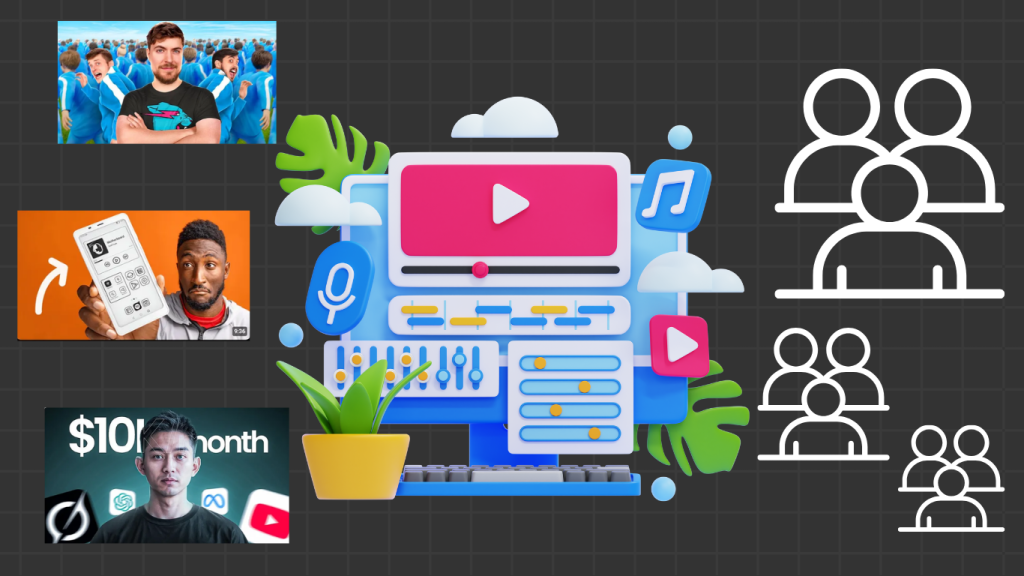
Every successful faceless YouTube channel is built around a very specific type of viewer. Not everyone. One clear audience.
For example, your channel might be for:
Busy people who want to make money online but don’t have time to waste
Students who want information explained simply and clearly
People who feel stuck and need motivation without loud, hype-filled content
Complete beginners who want step-by-step guidance
Viewers who want calm, relaxing videos they can watch or listen to anytime
When you clearly define your audience, something powerful happens.
You stop guessing what to post.
You stop overthinking every video idea.
You stop copying other channels blindly.
Instead, you start creating with intention.
Before making any video, imagine one person watching it. What are they confused about? What are they searching for late at night? What would make them say, “This is exactly what I needed”?
Understanding your audience also helps YouTube understand your channel. When your videos consistently attract the same type of viewer, YouTube knows who to recommend your content to — and that’s how channels grow faster.
If you ever feel stuck, come back to this step. The clearer your audience is, the easier everything else becomes: your scripts, your titles, your thumbnails, and even your confidence.
Your job isn’t to impress everyone.
Your job is to help one type of person, really well.
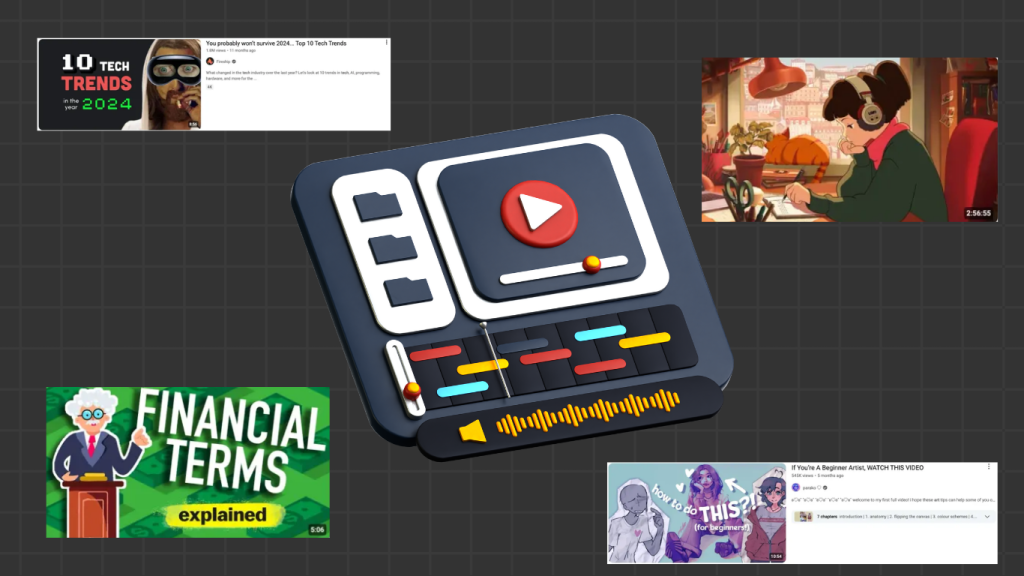
Step 3: Research Faceless YouTube Channels (This Is Where Most Beginners Skip)
This step might not feel exciting, but it’s one of the most important steps in learning how to start a faceless YouTube channel — and it’s the step most beginners completely skip.
Before you upload a single video, spend time studying what already works.
Think of this as learning the language of YouTube before trying to speak it.
Go to YouTube and search for topics related to your niche, such as:
“How to make money online”
“Motivational stories”
“Explained”
“Facts you didn’t know”
“Relaxing sounds”
When you click on videos, don’t just watch them for entertainment. Watch them with intention.
Pay attention to channels that:
Never show their face
Upload consistently over time
Use clear, eye-catching thumbnails
Get steady views, even on older videos
These channels are proof that faceless content works — and that YouTube already rewards this style.
As you watch, start asking better questions.
What kind of videos do they post repeatedly?
Are their videos short and straight to the point, or longer and more detailed?
Do their titles focus on curiosity, clarity, or solving a specific problem?
Is the tone calm and educational, or emotional and story-driven?
Also notice what doesn’t change. Successful channels tend to repeat formats, not reinvent themselves every week. That consistency helps viewers recognize and trust the channel.
This research phase isn’t about copying someone else’s videos or ideas word-for-word. It’s about understanding patterns. You’re learning what YouTube already knows works in your niche.
Once you do this, creating your own content becomes much easier. You’re no longer guessing what might work — you’re building on proven structures and adding your own voice and perspective.
This step alone can save you months of trial and error and help your faceless YouTube channel grow with intention from day one.
Step 4: Create Your Faceless YouTube Channel (The Simple Way)
Creating the channel itself is easy — but branding matters.
Choose a channel name that:
Fits your niche
Is simple and memorable
Doesn’t limit future growth
Avoid names like:
“John’s Motivation Channel”
“Emma’s Journey”
Instead, think broader:
“Quiet Growth”
“Mindset Stories”
“Digital Wealth Explained”
“Calm Knowledge”
For your profile image and banner:
Use clean, simple visuals
Stick to one color theme
Make it look trustworthy
You don’t need perfection — you need consistency.
Step 5: How to Create Faceless YouTube Videos (Beginner-Friendly)
This is usually the step where people freeze.
They start thinking they need expensive software, advanced editing skills, or some complicated setup. The truth is, faceless YouTube videos are much simpler than they look — and once you understand the structure, creating them becomes repeatable and stress-free.
Almost every faceless YouTube video follows the same basic formula:
A script
A voiceover (real or AI)
Visuals that support the message
Optional background music
That’s it. No camera. No studio. No pressure.
Let’s break each part down in a way that actually makes sense.
Writing the Script (The Most Important Part)
Your script is the backbone of your entire video. If the script is weak, no amount of editing or visuals will save it.
When writing your script, imagine you’re speaking to one person, not an audience of thousands. This small mindset shift makes your content feel personal instead of generic.
Avoid sounding like a school presentation.
Instead of saying:
“Today we will discuss the importance of discipline.”
Say something more human:
“Let me tell you something most people don’t realize about discipline…”
That small change instantly pulls the viewer in.
Storytelling keeps people watching because it creates curiosity. Even educational or factual videos should flow like a story — with a clear beginning, middle, and takeaway.
Your goal isn’t to impress people with big words or complex explanations. Your goal is clarity. If someone can understand your video while half-listening, you’re doing it right.
Voiceover Options (Yes, You Have Choices)
One of the biggest myths about YouTube is that you need a “perfect” voice. You don’t.
You have two solid options:
Using your real voice
Using an AI-generated voice
Both work extremely well for faceless YouTube channels.
If you choose to use your real voice, keep it simple. Speak slowly, pause naturally, and focus on sounding calm and confident. Accents, small mistakes, and imperfections actually make you sound more relatable. Most viewers prefer a natural voice over something overly polished.
If you’re not comfortable recording your voice yet, AI voice tools are a great alternative. The key is choosing voices that sound natural and relaxed. Avoid anything that feels robotic or overly dramatic. The voice should match the mood of your content — calm for educational videos, warm for storytelling, steady for motivational content.
Remember, your voice carries emotion. It’s what builds trust and connection. Viewers don’t need to see your face to feel that.
Visuals Without Showing Your Face
This is where beginners often overthink.
Faceless visuals are meant to support your message, not distract from it. They don’t need to be complex or cinematic.
You can use:
Stock videos that match what you’re talking about
Screen recordings for tutorials or explanations
Animated text to emphasize key points
AI-generated clips or images
Simple slides with motion or transitions
If your script is about focus or discipline, your visuals might show someone working quietly, a time-lapse of a city, or calm background scenes. If you’re explaining something technical, screen recordings or simple visuals work perfectly.
The biggest mistake people make is trying to make visuals do all the work. In reality, the script and voice do most of the heavy lifting. Visuals are there to keep the viewer engaged and make the video feel complete.
When you combine simple visuals with strong storytelling, your videos feel easy to watch — and that leads to higher retention, which YouTube loves.
Once you’ve created a few videos using this structure, the process becomes almost automatic. And that’s when consistency — and growth — really start to happen.
Step 6: Editing Your Faceless YouTube Videos (Keep It Simple)
Editing is where many beginners overthink and slow themselves down — but for faceless YouTube channels, editing should be the simplest part of the process, not the hardest.
You’re not trying to create a movie or impress other creators. You’re creating a video that feels easy to watch and easy to listen to.
Your main goals when editing are very simple:
Clear, easy-to-hear audio
Smooth transitions between scenes or visuals
Clean visuals that don’t distract from the message
That’s it.
Start by focusing on the audio. If your voiceover is clear and balanced, the video already feels professional. Remove long pauses, obvious mistakes, or background noise if needed, but don’t obsess over making it “perfect.” Natural pacing actually keeps viewers engaged longer.
Next, align your visuals with your script. As your voice moves from one idea to the next, your visuals should gently change as well. This keeps the viewer’s attention without overwhelming them. Simple cuts, light zooms, or subtle transitions are more than enough.
One of the biggest mistakes beginners make is over-editing — adding too many effects, transitions, or animations because they think it makes the video more “exciting.” In reality, flashy effects often pull attention away from the message and make videos harder to watch.
People don’t stay on YouTube because a video has cool edits.
They stay because the content feels calm, clear, and valuable.
If someone can watch your video without feeling mentally tired, you’ve done your job well.
Most successful faceless YouTube channels follow the same editing style across every video. That consistency helps viewers feel familiar with your content and builds trust over time. It also makes your workflow faster, which means you’re more likely to keep uploading.
Remember, perfection slows progress. Consistency builds channels.
Simple, clean editing done repeatedly will take you much further than one over-edited video that takes weeks to finish.
Step 7: SEO Optimization for Faceless YouTube Channels
This is where your channel grows — even with zero subscribers.
YouTube is a search engine.
That means SEO matters.
Your video should be optimized around:
Title
Description
Tags
Watch time
Your main keyword should appear naturally.
For example:
Title: How to Start a Faceless YouTube Channel as a Beginner
Description: Explain the video and repeat the keyword naturally
First 2 lines of description matter most
Also include related keywords like:
faceless YouTube channel
YouTube without showing face
anonymous YouTube channel
make money with faceless YouTube
how to start YouTube without showing your face
Never stuff keywords.
Write for humans first — YouTube follows.
Step 8: Thumbnails Matter More Than You Think
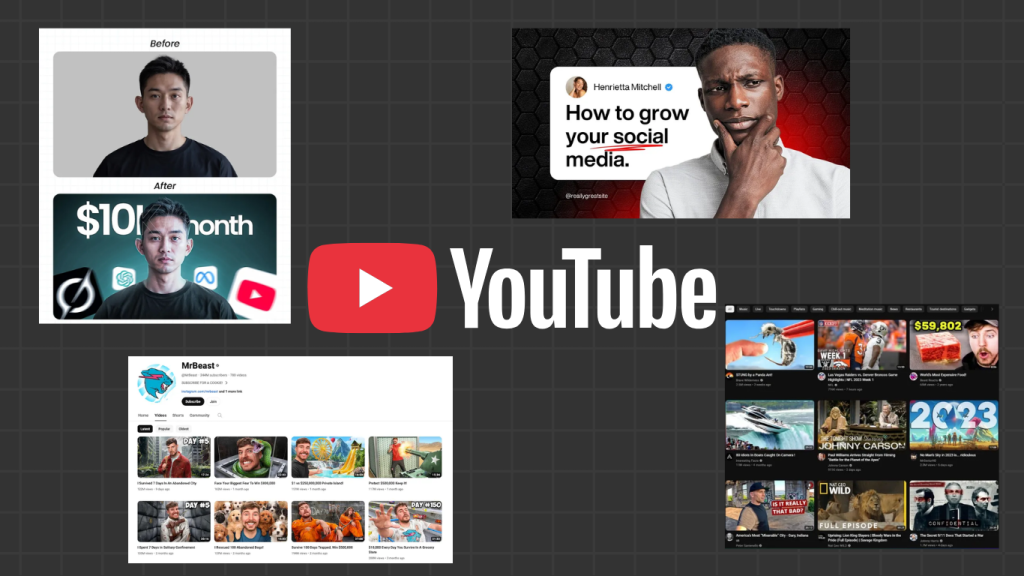
Even though your channel is faceless, your thumbnails still have a very important job to do — they are the first impression of your content. Before anyone hears your voice or understands your message, they see your thumbnail. That single image often determines whether your video gets clicked or ignored.
A strong thumbnail doesn’t need a face to work. It needs clarity and emotion.
Your thumbnail should be simple enough to understand in one second. Most people scroll YouTube on their phones, so if your text is too small or your design is too busy, it won’t work. One clear idea is always better than trying to explain everything at once.
Curiosity is also key. The best thumbnails don’t give the full answer — they hint at it. They make the viewer feel like, “I need to know more.” This can be done through a short phrase, a contrast, or a visual that creates a question in the viewer’s mind.
It’s also important that your thumbnail matches your niche and your channel’s overall vibe. Calm educational channels should look clean and minimal. Motivational or storytelling channels can use stronger contrast and emotional visuals. Over time, your thumbnails should start to look recognizable as yours, even without a logo or face.
And remember — faces are not required for emotion. Emotion can come from:
Color choices
Strong words or phrases
Visual contrast
Relatable imagery
A good thumbnail earns the click. That’s its only job.
Once the viewer clicks, your video content takes over and earns the watch time. Both work together. If either one is weak, growth slows down.
When you treat thumbnails as part of your content — not an afterthought — your faceless YouTube channel immediately becomes more competitive, even in crowded niches.
Step 9: Upload Consistently (Without Burning Out)
You don’t need daily uploads.
Start with:
2–3 videos per week
Or even 1 quality video weekly
The key is consistency.
YouTube rewards channels that show up — even quietly.
Faceless channels are perfect for batching content:
Create multiple videos in one session
Schedule them
Let the algorithm work for you
Step 10: Monetizing Your Faceless YouTube Channel
Once your faceless YouTube channel starts getting consistent views, monetization begins to feel natural — not forced. This is because you’re no longer trying to “sell.” You’re simply helping people, and the income becomes a byproduct of that trust.
One of the most common ways faceless creators earn is through YouTube ad revenue. Once you’re accepted into the YouTube Partner Program, ads start appearing on your videos and you earn money based on views and watch time. Some niches earn more than others, but the key advantage is that this income can continue long after the video is uploaded.
Another powerful monetization method is affiliate marketing. This works especially well for faceless channels because viewers are already there to learn or solve a problem. When you recommend a helpful tool, resource, or product and include a link in your description, you earn a commission when someone makes a purchase. This feels natural when it aligns with your content and audience.
Many faceless creators also sell digital products like guides, templates, or tools that go deeper than what a single video can explain. These products don’t require inventory or shipping, and they scale extremely well. Once created, they can generate income repeatedly without extra work.
As your authority grows, courses become another option. Viewers who trust your content often want a structured, step-by-step solution — and they’re willing to pay for it. Faceless creators do this successfully by letting their videos act as free education, while the course becomes the premium next step.
Building an email list is one of the most underrated strategies. Unlike YouTube views, email lists are something you own. By offering a free resource or guide, you can turn viewers into long-term subscribers and build a direct relationship with your audience beyond the platform.
The real power of faceless YouTube channels is longevity. A single helpful video can continue getting views, clicks, and income for months or even years. That’s how many creators build quiet, long-term passive income — not from viral moments, but from content that keeps working in the background.
When monetization is built around value, your channel becomes more than content. It becomes an asset.
Common Mistakes to Avoid When Starting a Faceless YouTube Channel
Let me save you months of frustration.
Avoid:
Overthinking equipment
Waiting for perfection
Copying content exactly
Uploading randomly
Quitting too early
Most channels fail because people stop too soon.
Growth on YouTube is slow — until it isn’t.
Final Thoughts: You Don’t Need Confidence — You Build It
If you’re still wondering how to start a faceless YouTube channel, remember this:
You don’t need confidence to begin.
You gain confidence by beginning.
Every successful faceless YouTube channel once had:
Zero subscribers
Zero views
Zero experience
The difference?
They uploaded anyway.
If privacy matters to you.
If freedom matters to you.
If building something quietly matters to you.
A faceless YouTube channel might be exactly what you’ve been looking for.
And now — you know how to start.